Exhibitions / Solo
Brick & Stone, Iron & Bronze
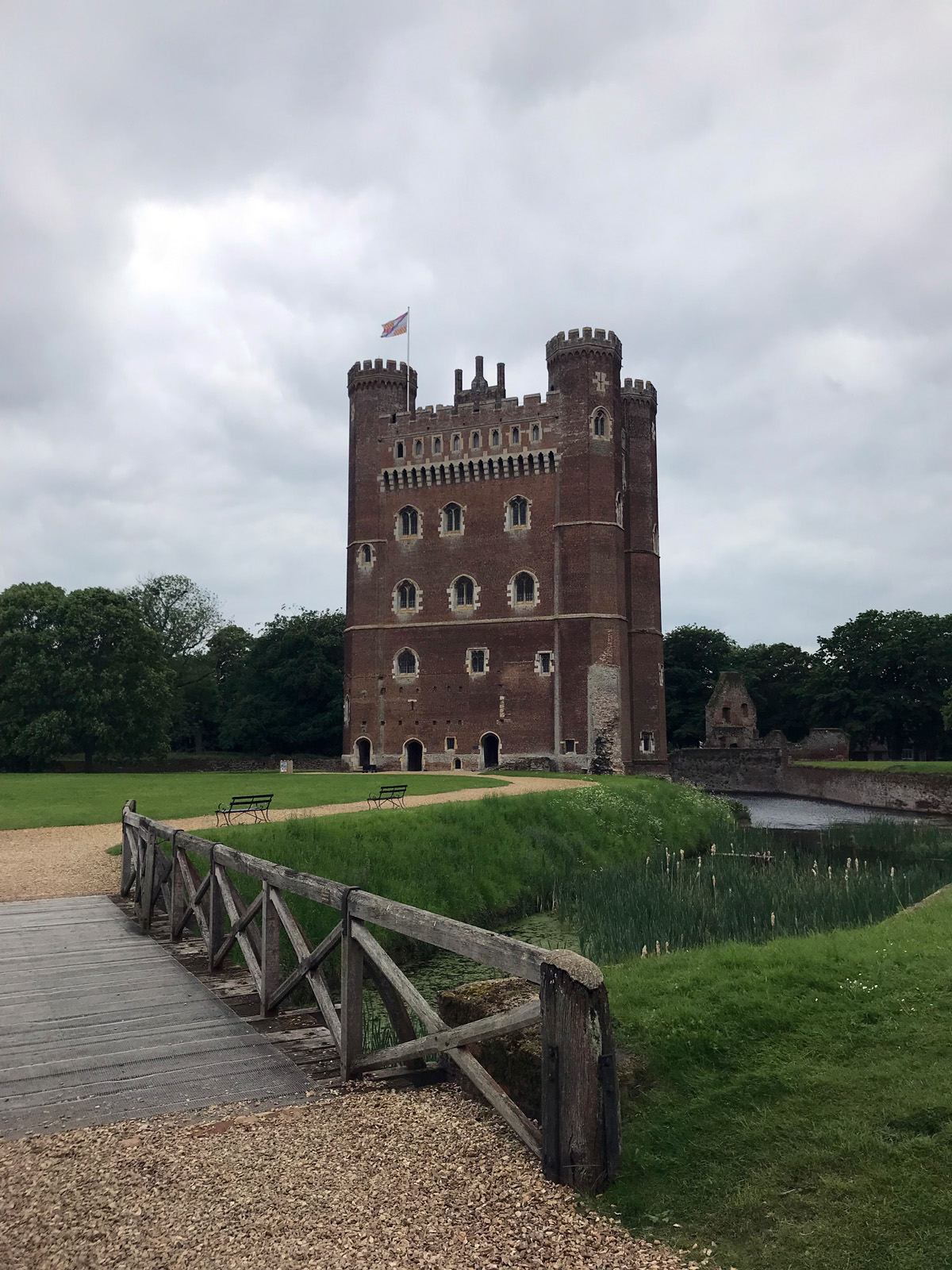
Tattershall Castle, Lincolnshire
1 June – 30 June 2024
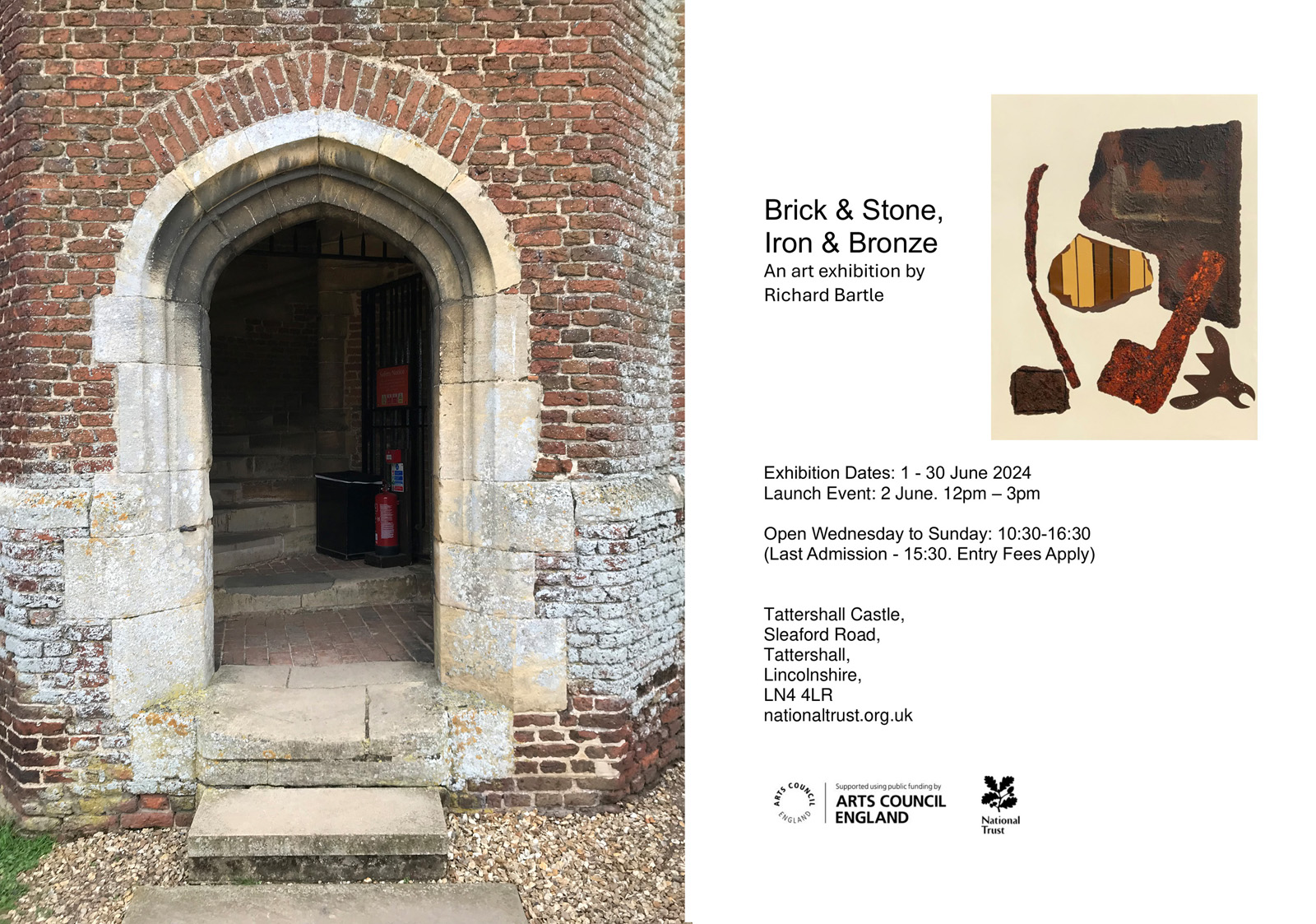
Brick & Stone, Iron & Bronze was an exhibition by Richard Bartle at Tattershall Castle, Lincolnshire, presented in June 2024.
Exhibition Text
Brick & Stone, Iron & Bronze was developed during a three-month residency in Wood Enderby, Lincolnshire, and first presented at Tattershall Castle in June 2024. Bringing together painting, fieldwork and archaeological research, the exhibition explored the material traces left behind by generations of people who have occupied the landscape.
Working directly within the surrounding countryside, Bartle combined fieldwalking and metal detecting to recover fragments of brick, pottery, ironwork, buttons, coins and other archaeological finds. Gathered from the surface of working farmland, these objects became the starting point for a series of paintings that examine the relationship between people, place, memory and material culture.
Set against expanses of raw canvas, each object is removed from its original context and reconsidered through the process of painting. Rather than illustrating history, the works respond to the experience of discovery itself, allowing new connections to emerge between contemporary observation and the physical evidence of the past.
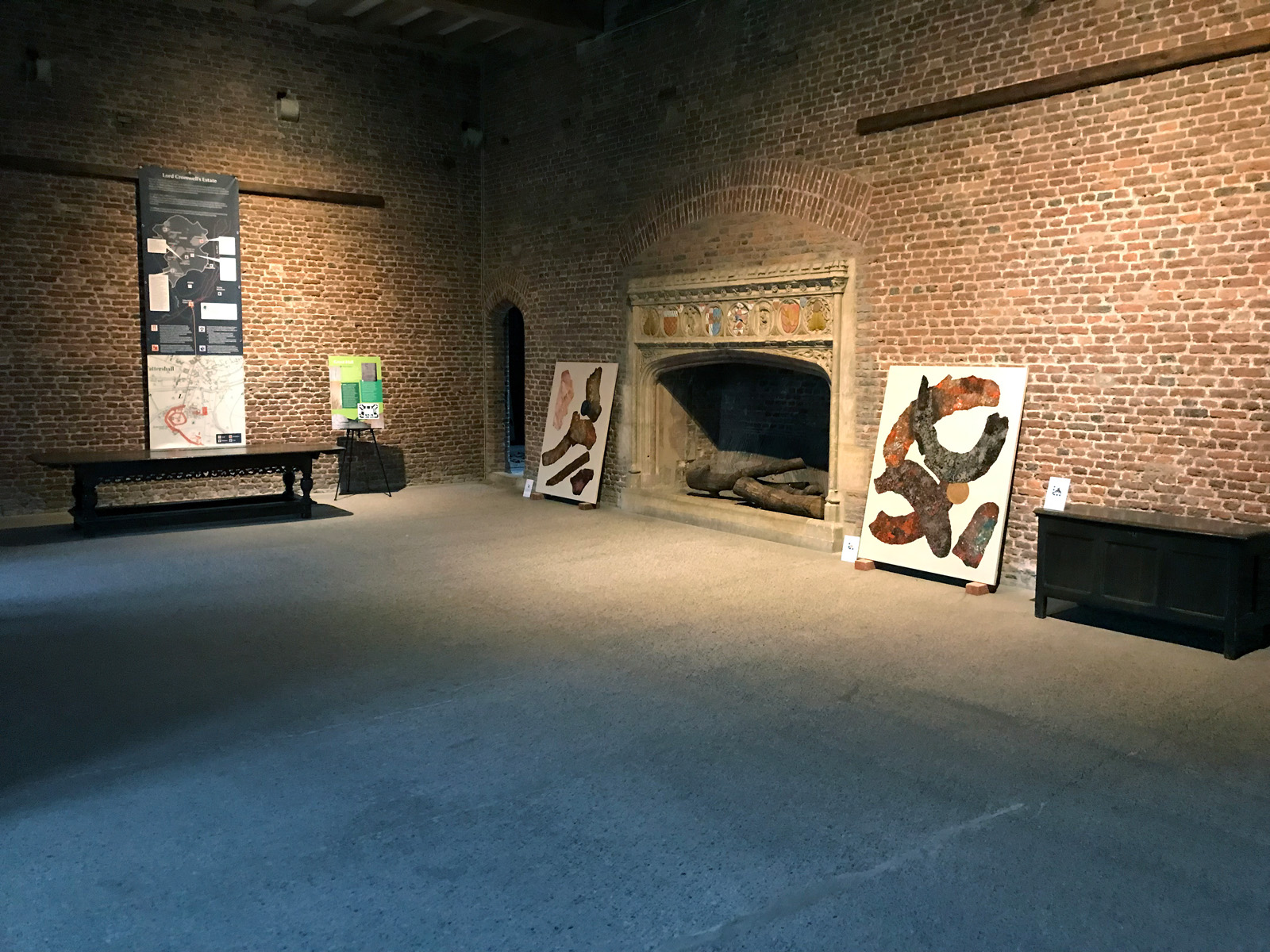
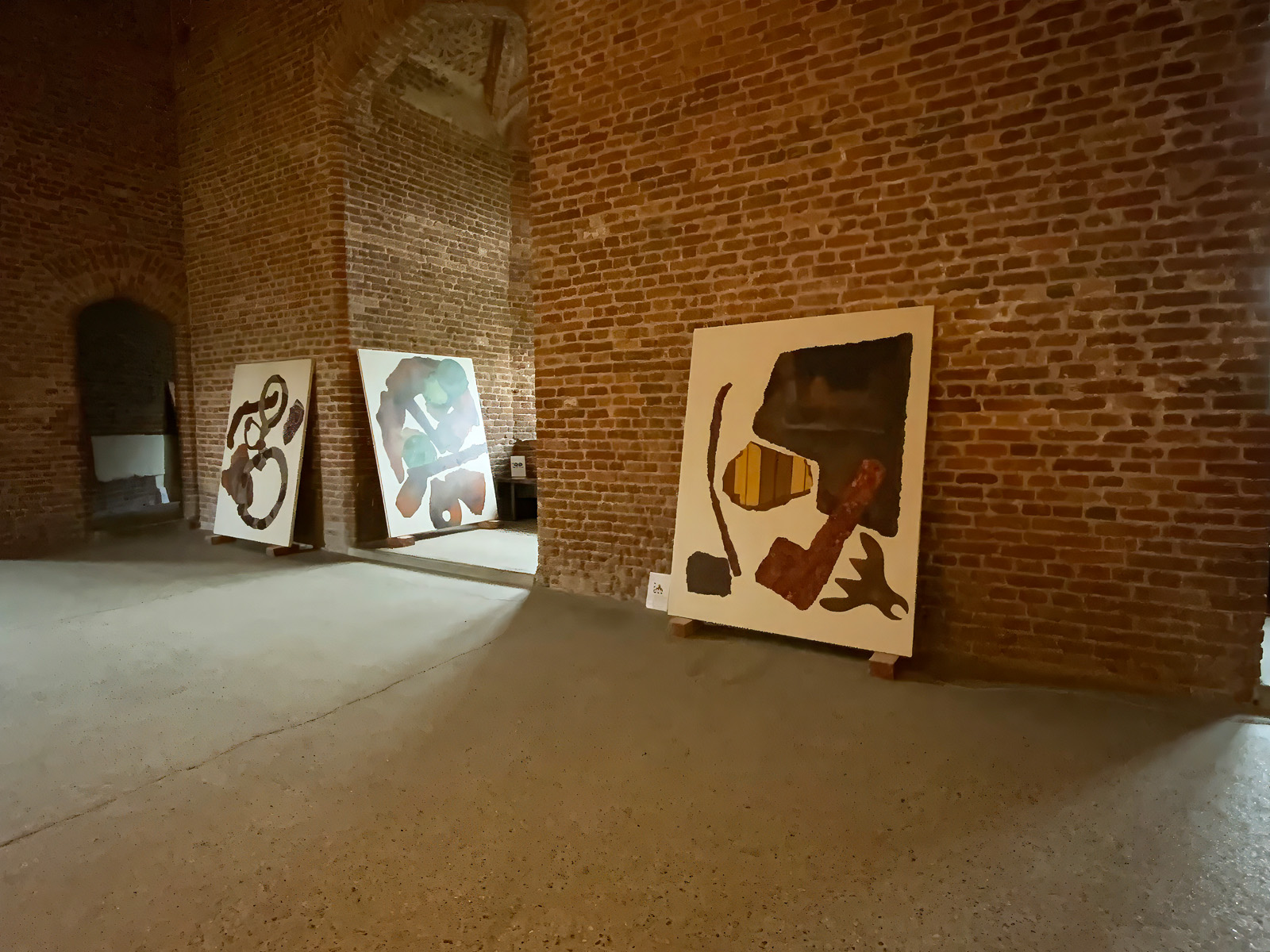
Presented within the medieval surroundings of Tattershall Castle, the exhibition brought together paintings, archaeological research and public engagement. Alongside the exhibition, Bartle delivered talks and discussions with local audiences, using the work to explore how archaeology can deepen our understanding of landscape, community and shared cultural heritage.
Installation Views
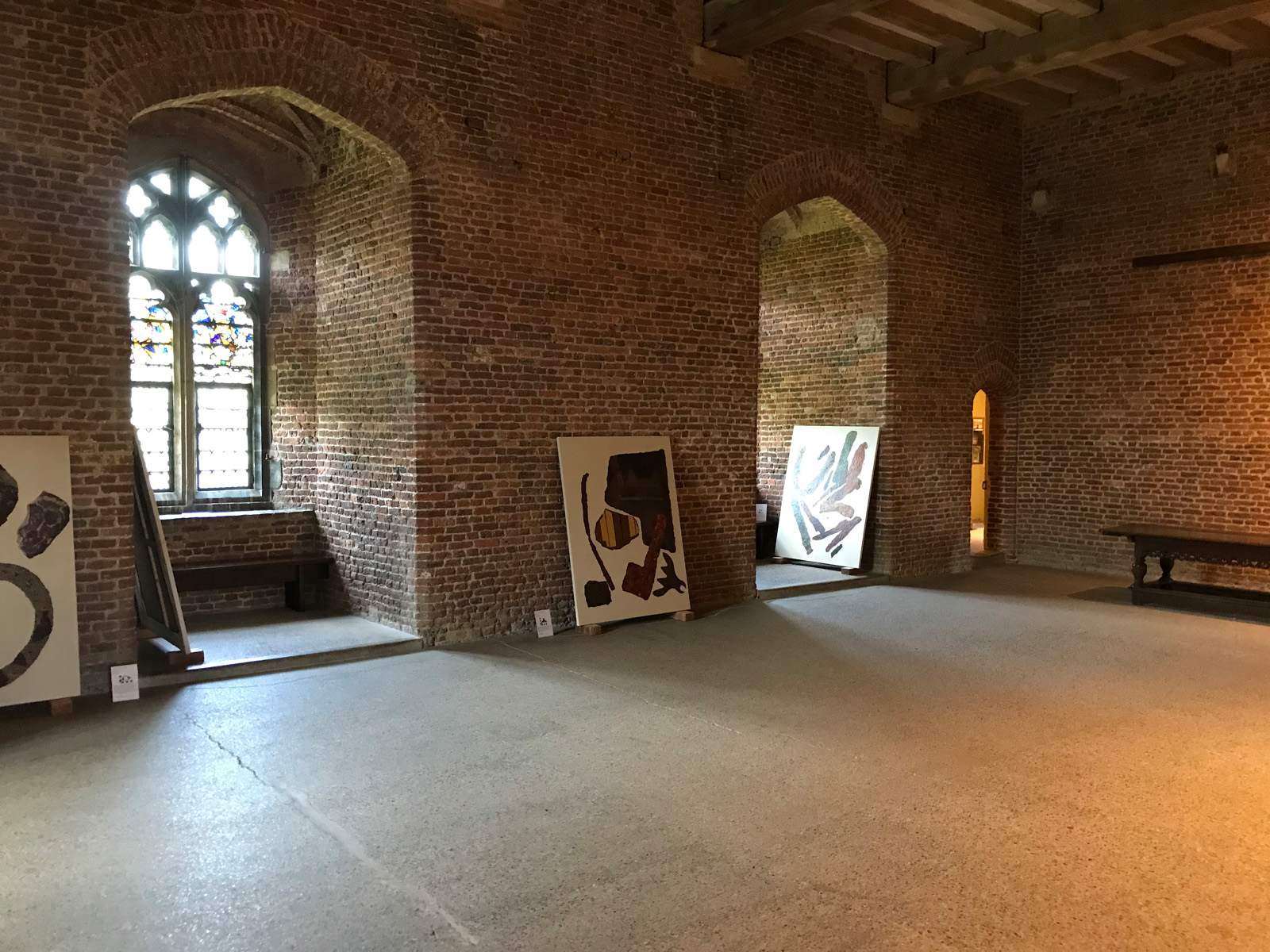
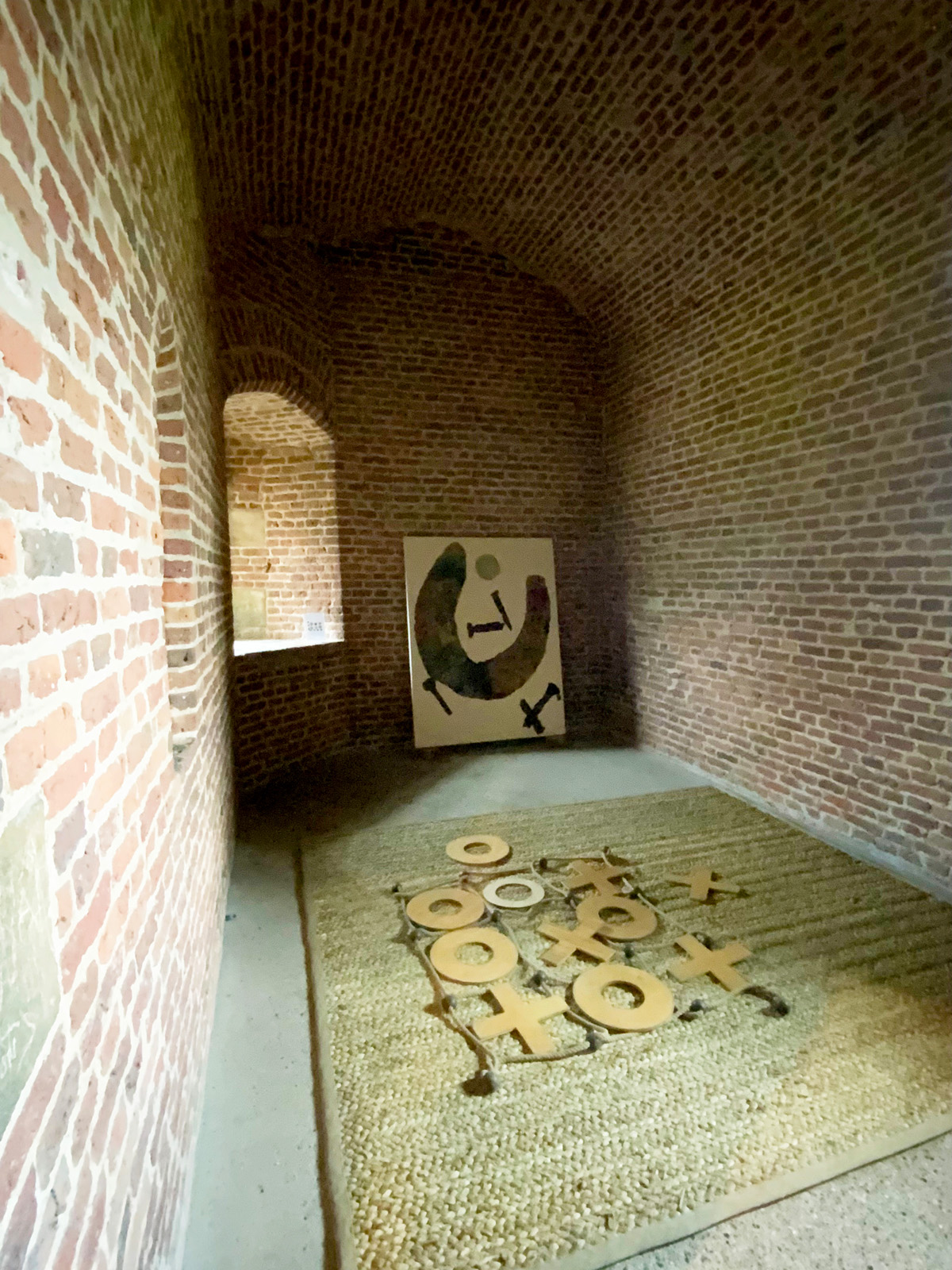
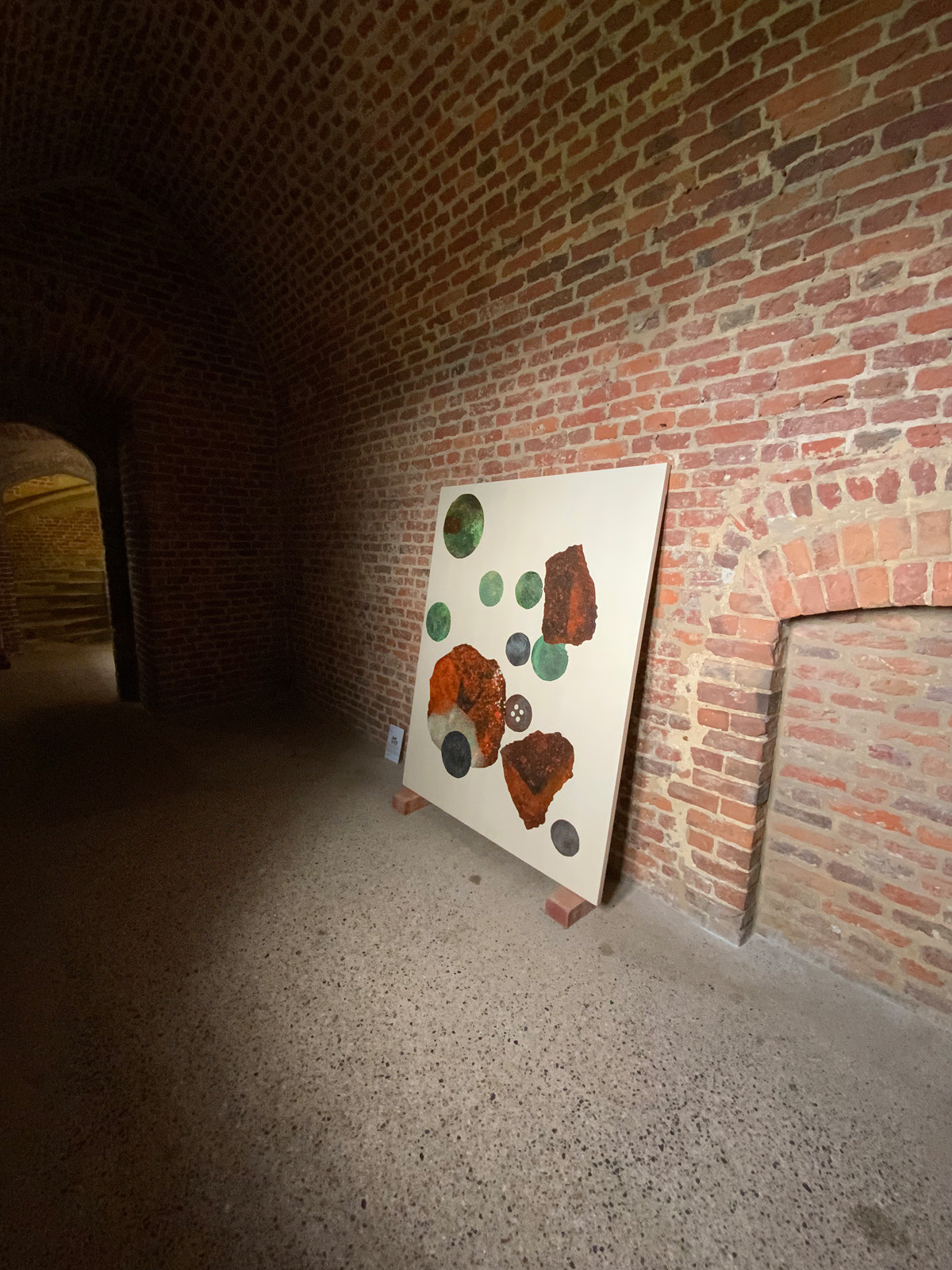
Selected Works
A small selection of works from the wider Brick & Stone, Iron & Bronze project is included here. The complete body of work can be explored on the Brick & Stone, Iron & Bronze project page.
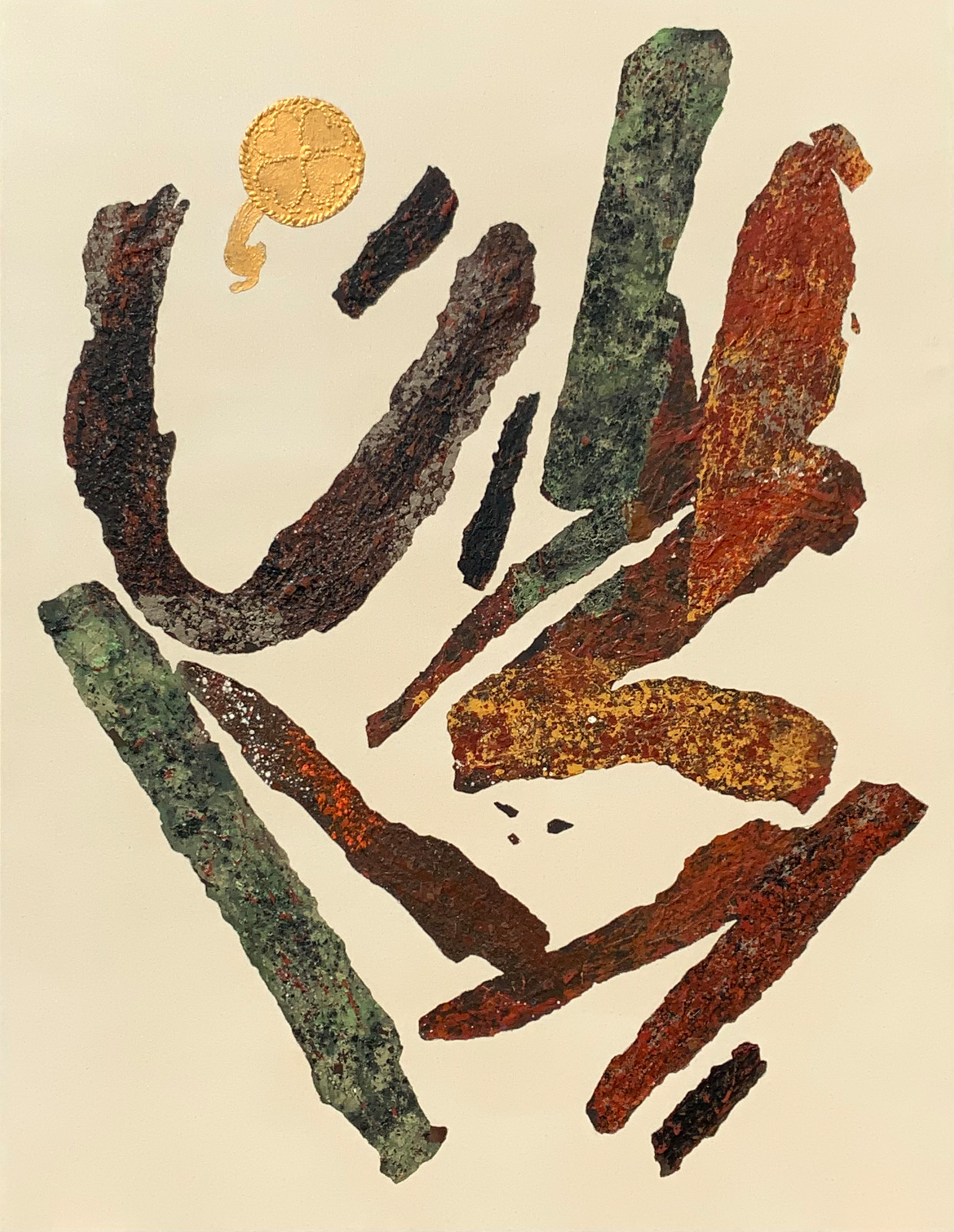
He Loveth Me, Yeah! Yeah! Yeah!
2024 · acrylic on canvas · 155 × 120 cm
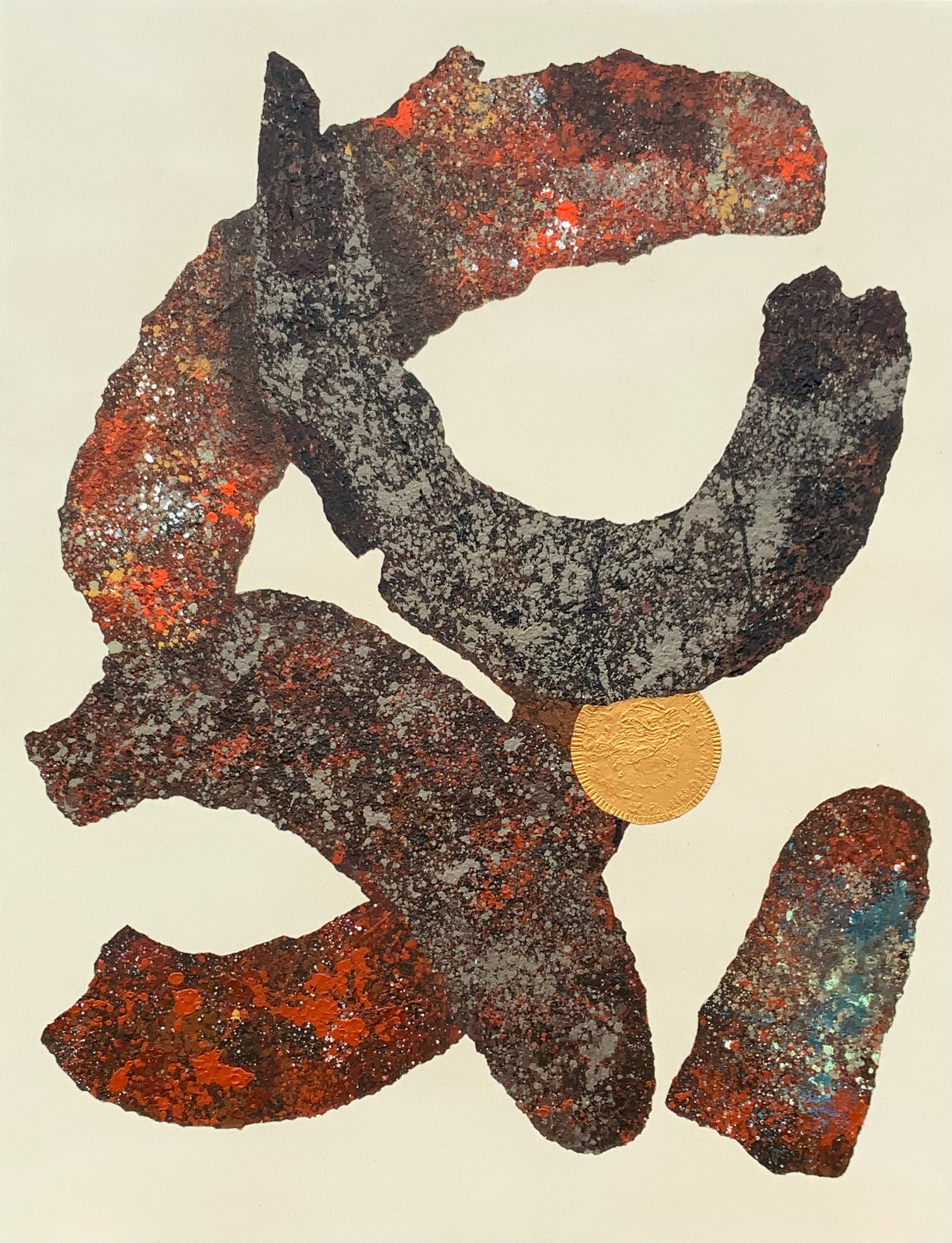
The Huntsman's Dance
2024 · acrylic on canvas · 155 × 120 cm
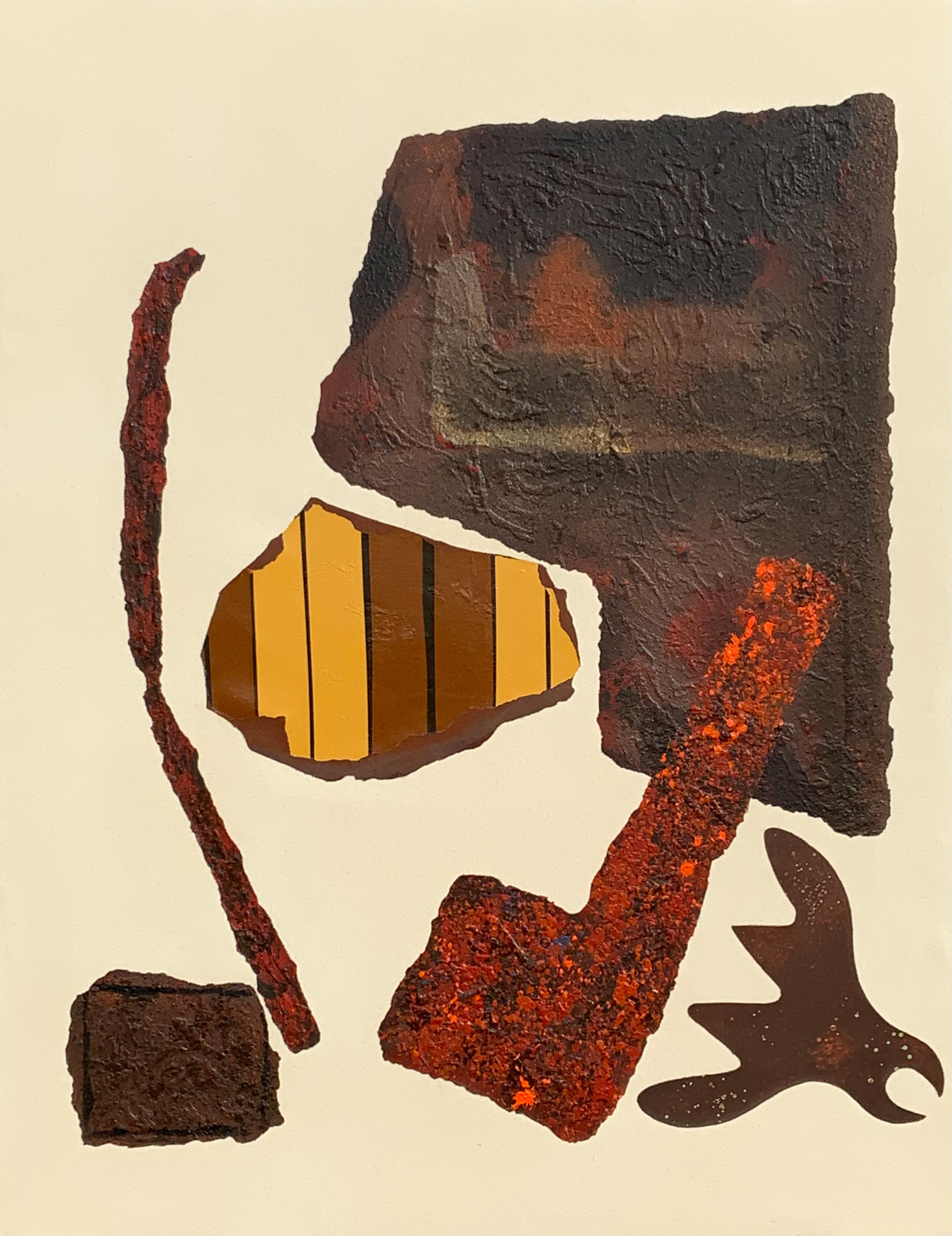
Picnic in the 36.72 Acre Field
2024 · acrylic on canvas · 155 × 120 cm
Legacy
Brick & Stone, Iron & Bronze marked an important stage in the development of Bartle's archaeological work, establishing a method of making that connects contemporary painting with historical evidence, local landscape and the material record.
Supported by