Exhibitions / Group
Horses Fluent in the Wind
Halka Sanat Projesi, Istanbul
22 February 2020 – 22 March 2020
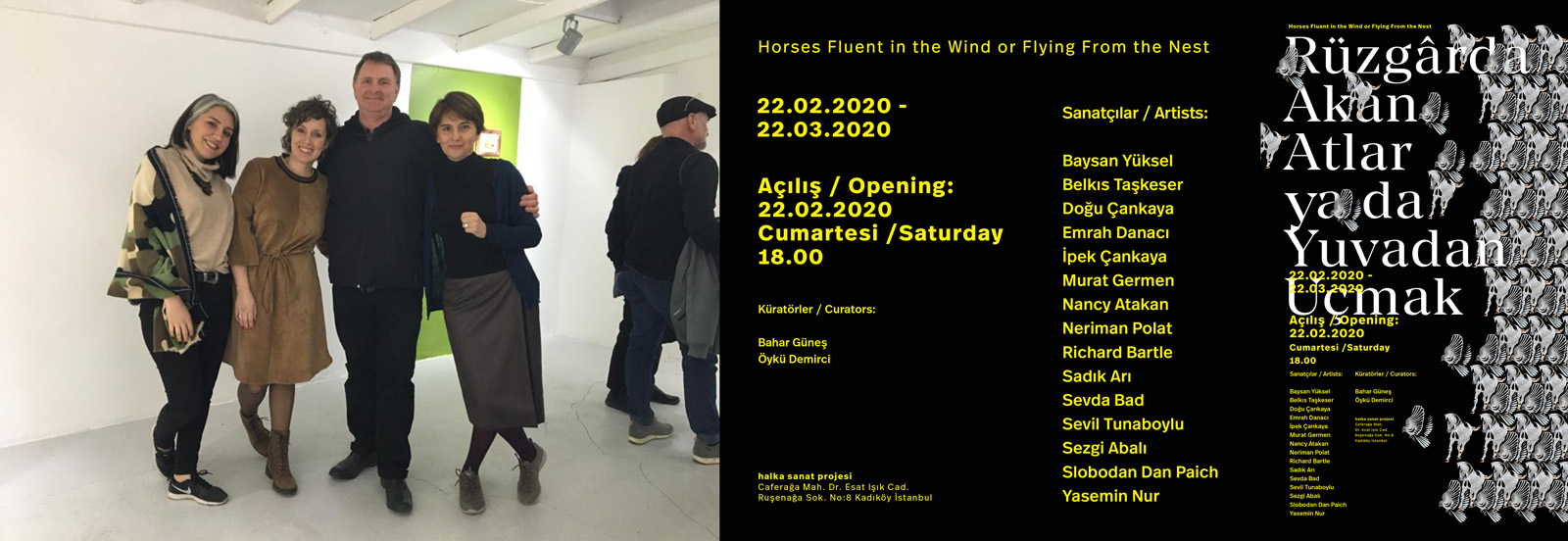
Horses Fluent in the Wind was a group exhibition including Richard Bartle at Halka Sanat Projesi, Istanbul, presented from February to March 2020.
Exhibition Text
Horses Fluent in the Wind, presented under the full title Horses Fluent in the Wind or Flying from the Nest, marked the end of an important chapter in the history of Halka Sanat Projesi. After eight years in its historic Kadıköy home, the exhibition celebrated the organisation's departure from the space while looking forward to a new future. Rather than framing the move as a farewell, the exhibition approached it as an act of renewal, recognising that communities are defined by the people, ideas and relationships they create rather than by the buildings they occupy.
The exhibition title was drawn from Sylvia Plath's poem Eye-Mote, where the image of horses moving fluently through the wind suggests grace, freedom and the courage to embrace new possibilities. The accompanying idea of "flying from the nest" became a metaphor for growth: leaving the familiarity of home while carrying forward the experience, friendships and shared values that had been formed there.
Curated by Bahar Güneş and Öykü Demirci, the exhibition brought together artists who had previously exhibited with Halka Sanat Projesi. Each was invited to respond to the theme in their own way, creating a collective reflection on change, belonging, memory and the possibilities that emerge when one chapter closes and another begins.
Horses Fluent in the Wind brought together work by Baysan Yüksel, Belkıs Taşkesen, Doğu Çankaya, Emrah Danacı, İpek Çankaya, Murat Germen, Nancy Atakan, Neriman Polat, Richard Bartle, Sadık Arı, Sevda Bad, Sevil Tunaboylu, Sezgi Abalı, Slobodan Dan Paich and Yasemin Nur.
Curated by Bahar Güneş and Öykü Demirci. Original exhibition concept by İpek Çankaya
Exhibited Artwork
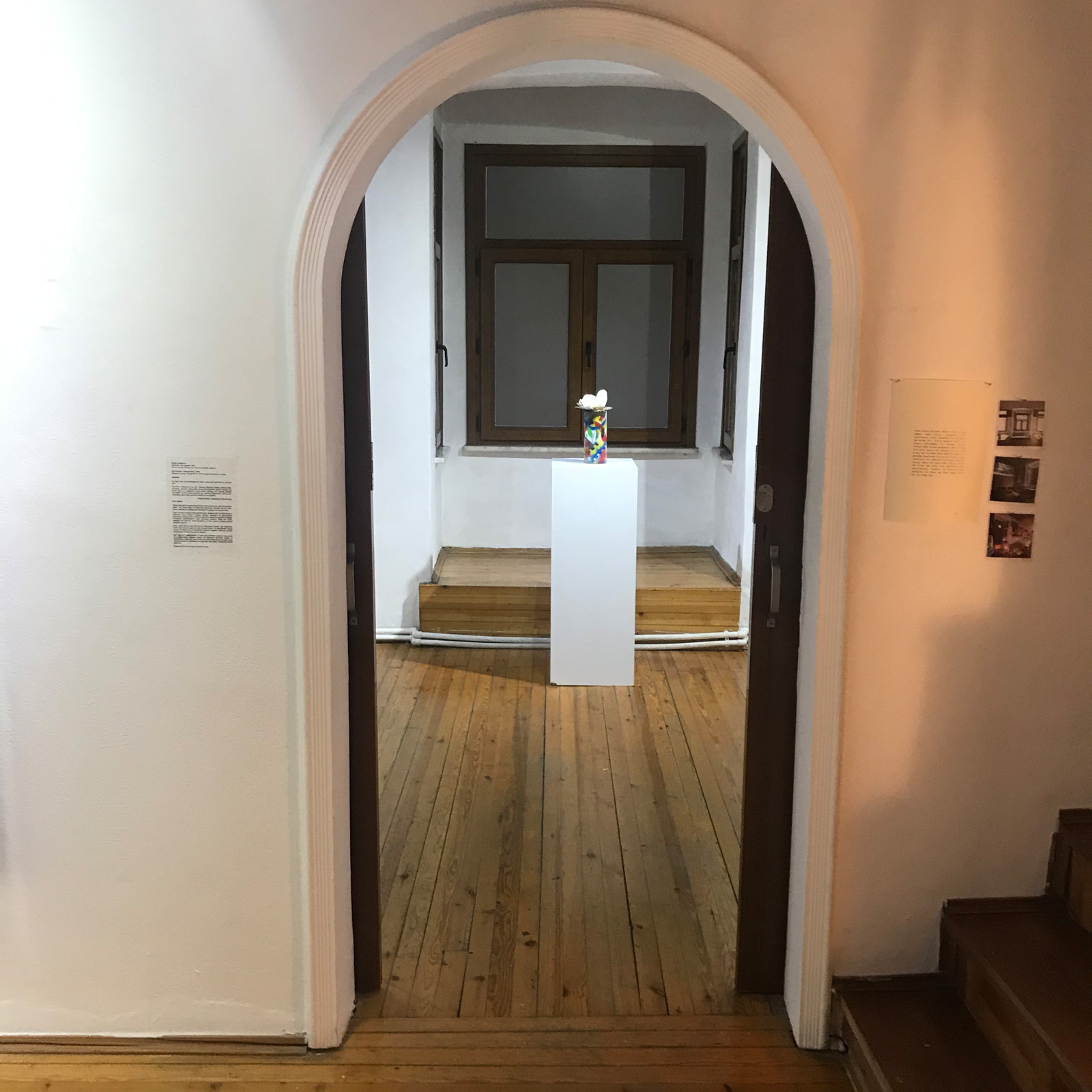
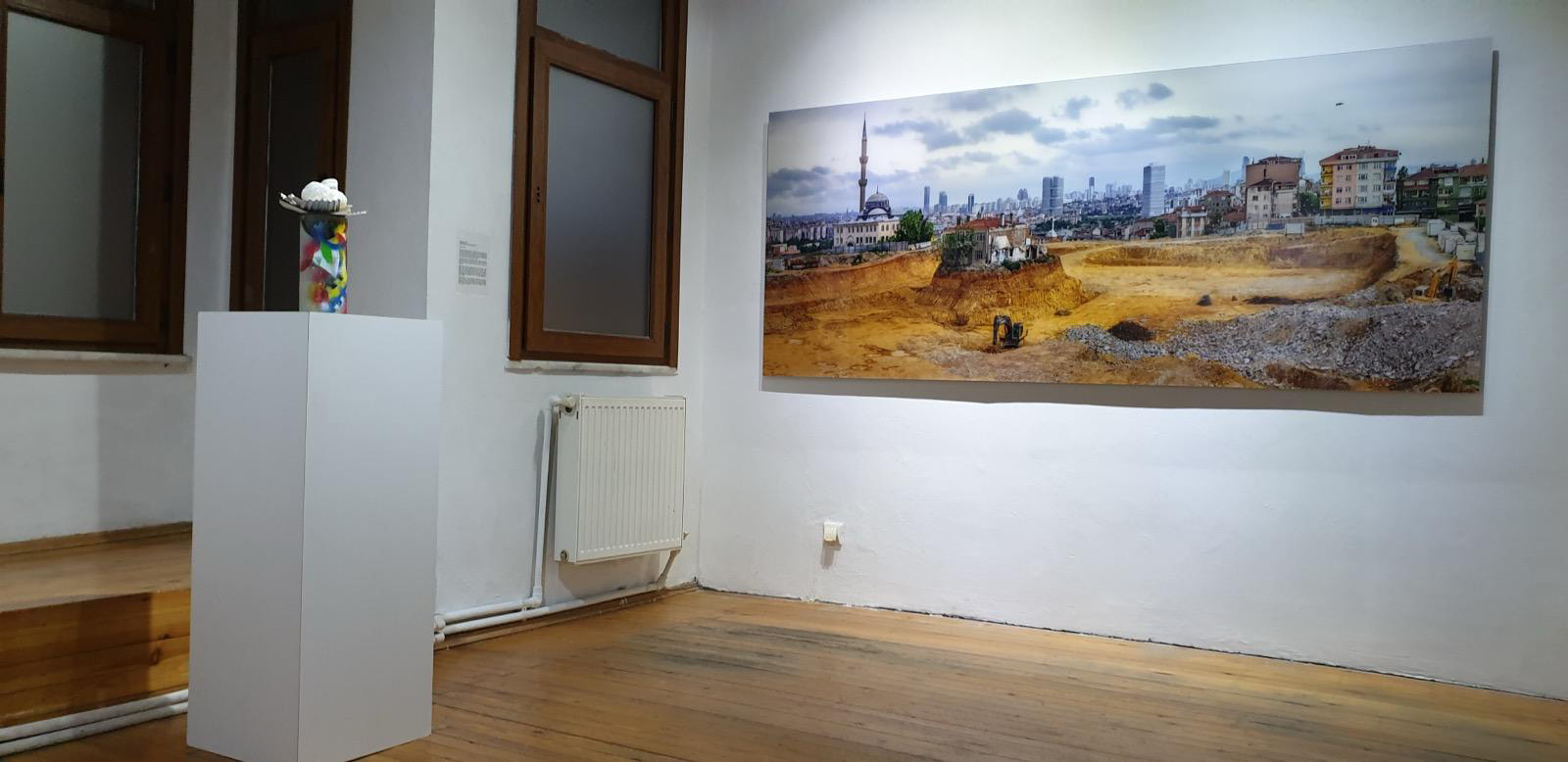
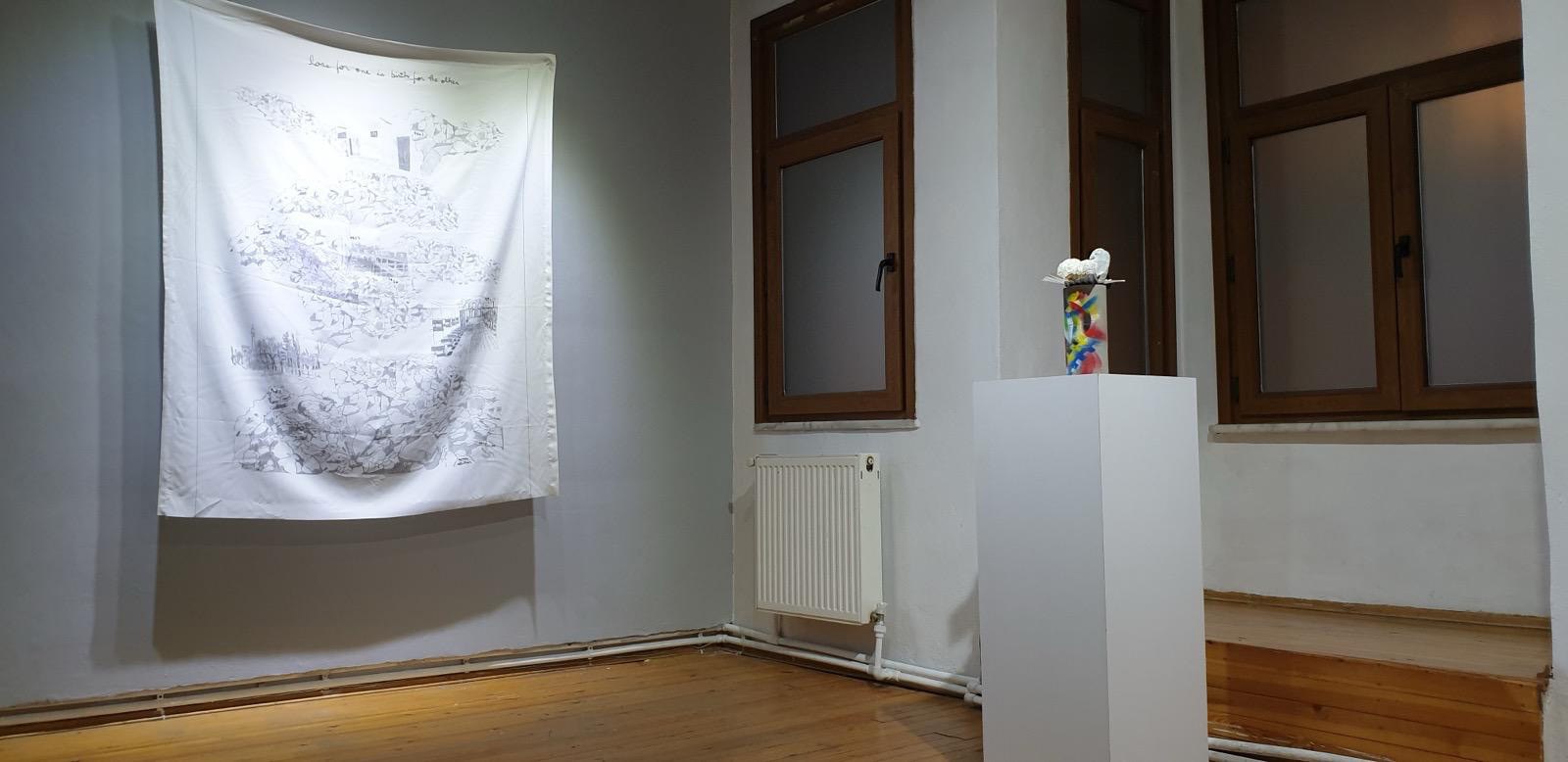
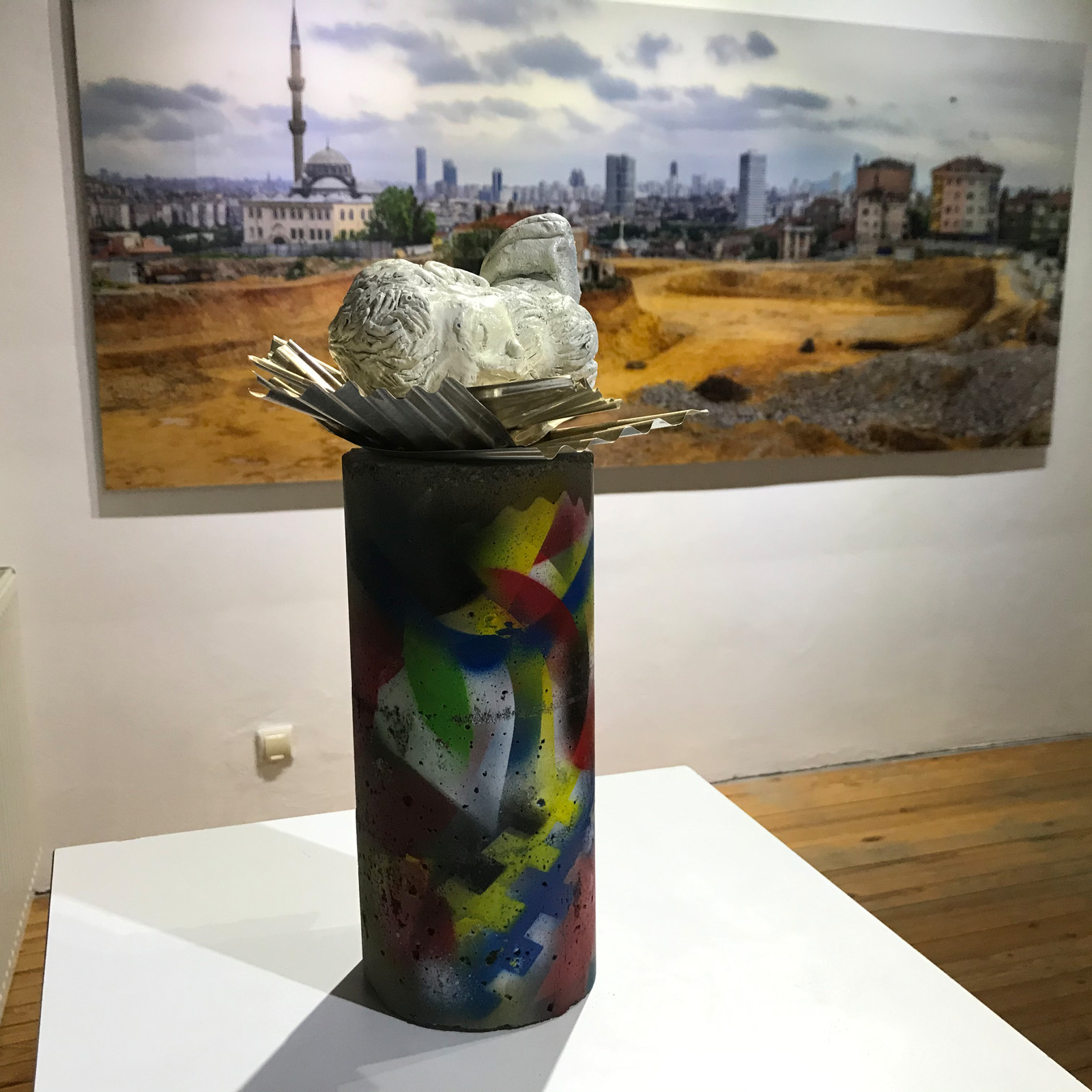
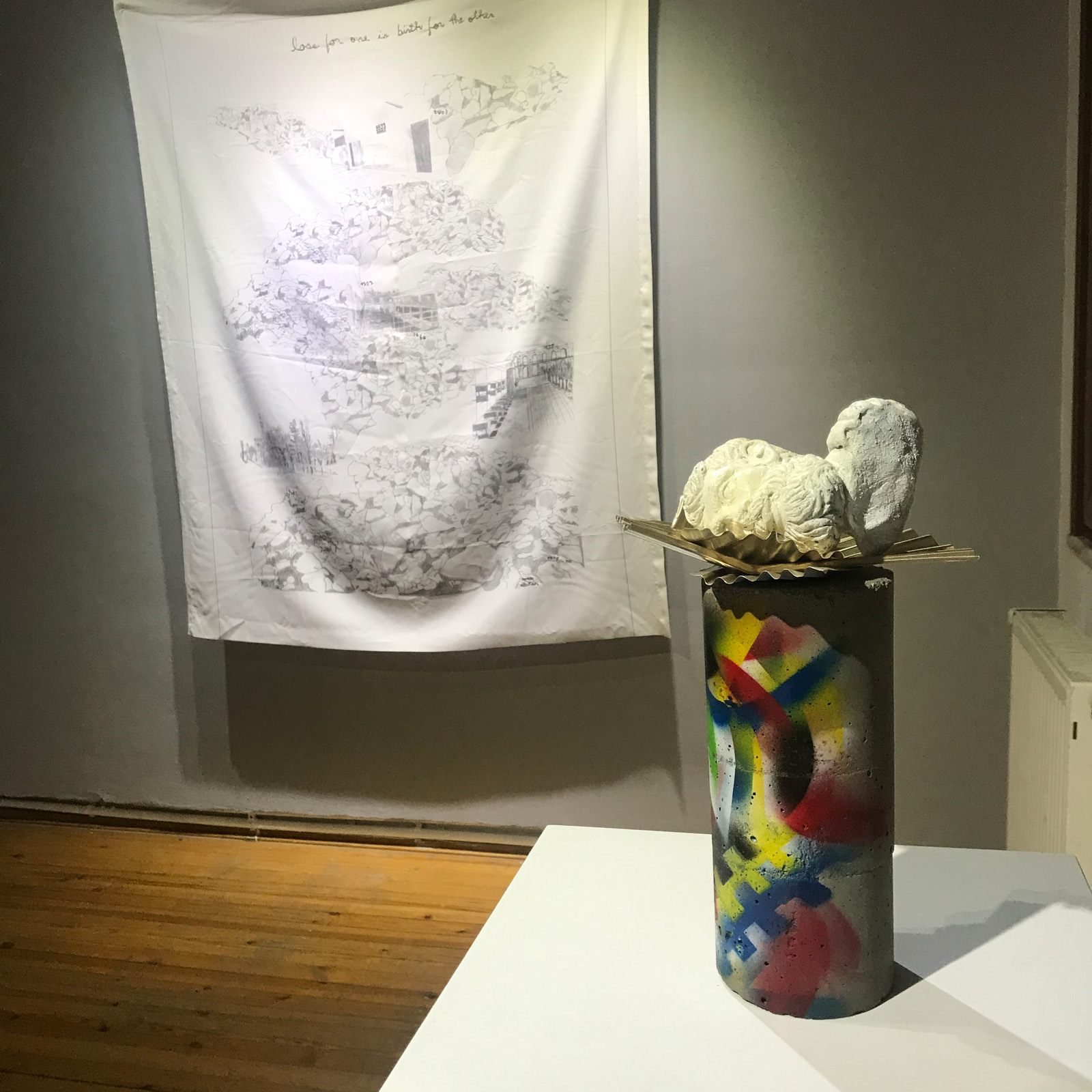
Richard Bartle exhibited The Roof of the World (2019), a mixed-media sculpture produced during the final months of his residency in Istanbul. The work reflects upon the philosophy of Epicurus and his belief that nothing comes from nothing, that everything exists in a state of continual transformation, and that the natural world unfolds without divine intervention. These ideas became the starting point for a sculpture exploring history, memory and the fragile continuity of culture.
Epicurus's writings describe a universe without beginning or end, where everything is born, changes and eventually disappears. His famous community, The Garden, flourished for a time before earthquake and abandonment reduced it to little more than scattered stones. Today his philosophy survives largely through fragments: archaeological remains, museum collections and written texts. Like the buildings and civilisations that followed him, these fragments remind us that every generation inherits both the material and intellectual traces of those that came before.
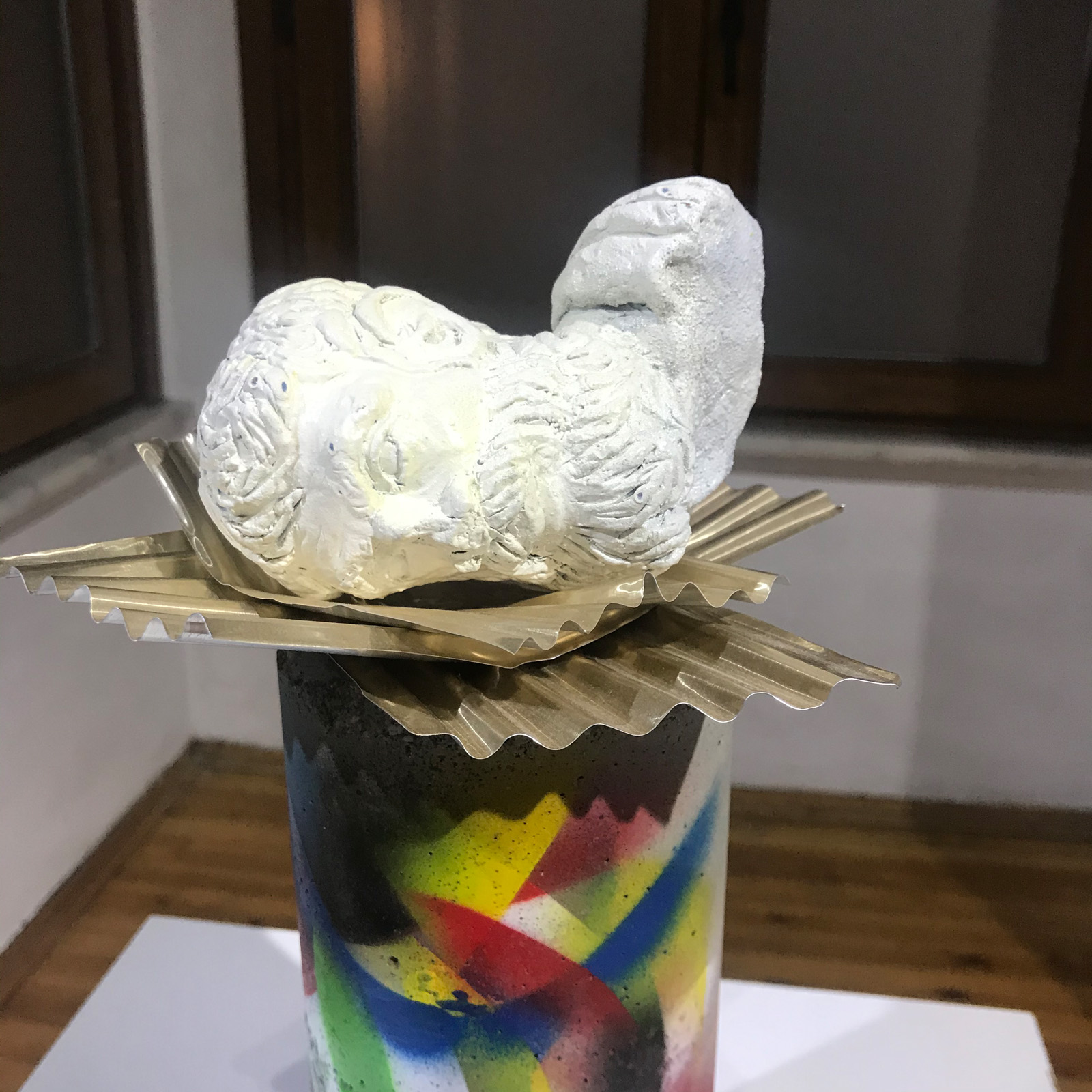
Created in response to Bartle's continuing fascination with the archaeology and layered histories of Anatolia, The Roof of the World brings together a carved bust of Epicurus, folded sheets of corrugated steel and a concrete pillar covered with abstract graffiti. The painted surface recalls both the contemporary walls of Istanbul and the walls of Epicurus's Garden, where his philosophy was once written for those around him to read. Like the philosopher's original inscriptions, the city's graffiti exists only temporarily before being painted over, demolished or lost. Earthquakes, redevelopment and the passing of time continually erase and rewrite the city's surfaces, just as the walls of The Garden eventually fell into ruin. The sculpture draws these two moments together, suggesting that ideas survive not through permanence, but through continual renewal, each generation rewriting the surfaces it inherits.
Within the context of Horses Fluent in the Wind, the work echoed the exhibition's themes of departure, transition and renewal. Rather than mourning the passing of places, it proposes that cultural memory continues to flow through people, objects and ideas. The past becomes both the foundation and the weight upon which the present stands, while the present itself remains a surface upon which new lives, new ideas and new histories are continually written.
Installation Views
Selected Artwork
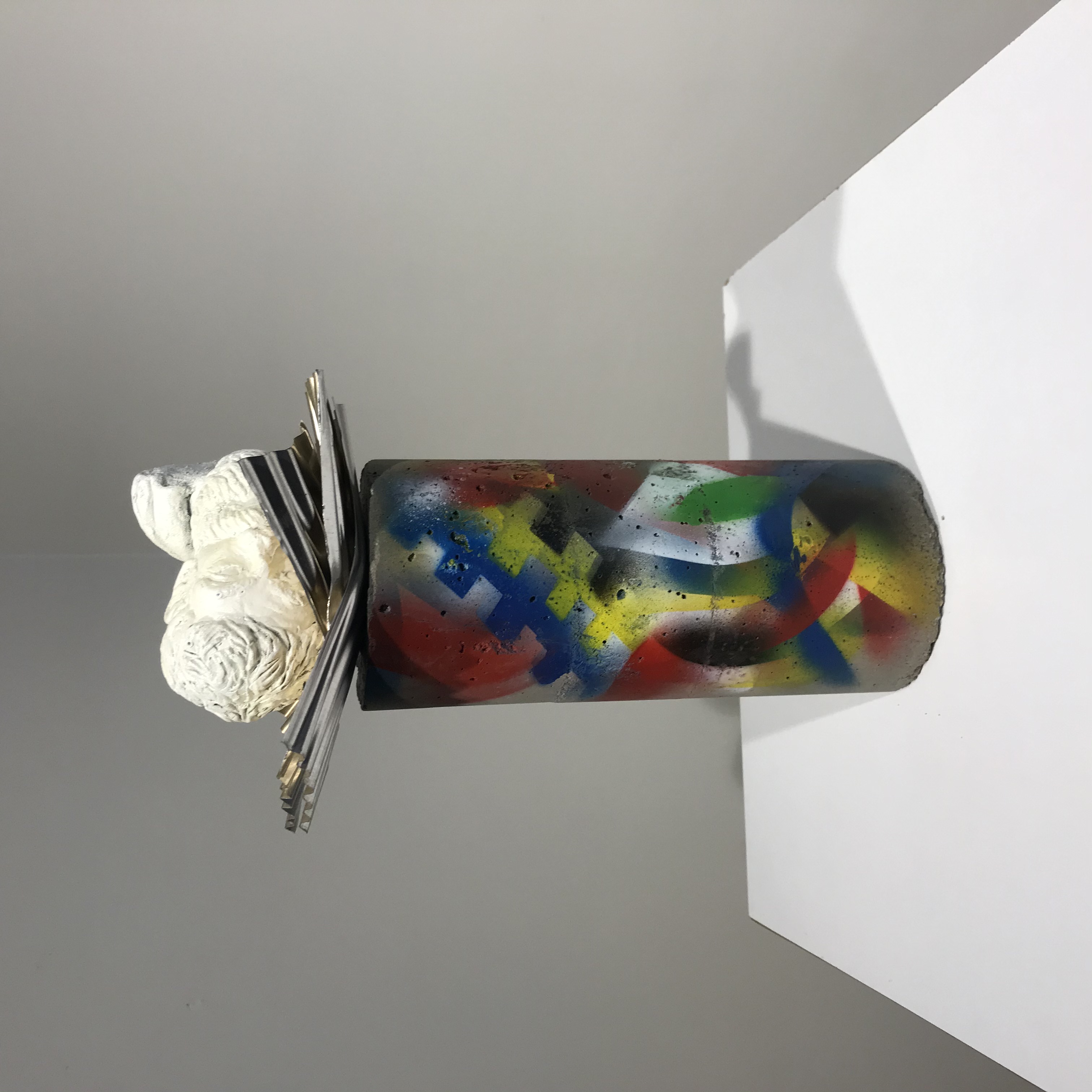
The Roof of the World
2019 · Mixed media
Small carved bust of Epicurus, corrugated steel cladding, concrete pillar with painted surface.
Private Collection.
Legacy
Looking back, Horses Fluent in the Wind marked the end of an important chapter for both Halka Sanat Projesi and Richard Bartle. Conceived as a celebration of leaving one home while carrying its ideas into the future, the exhibition unexpectedly became one of the last major exhibitions held before the global disruption caused by the COVID-19 pandemic. Its themes of transition, uncertainty and renewal soon took on an unforeseen significance.
For Bartle, the exhibition represents the culmination of more than a decade of living and working in Istanbul. The questions explored in The Roof of the World—how ideas survive, how places accumulate memory, and how cultures continually rebuild themselves from fragments—would continue to shape his practice after returning to the United Kingdom. These themes later emerged in projects such as On the Rubble of our Ancestors, The Black Pen, and the archaeological investigations of the Unearthed series, where objects, landscapes and material remains became central to his enquiry.
Image Credits
Installation photographs by Bahar Güneş.
Presented by