Istanbul | Mardin
Yuvarlak Masada
Yuvarlak Masada
2010 · Abbaracadabra · The Mardin Biennial
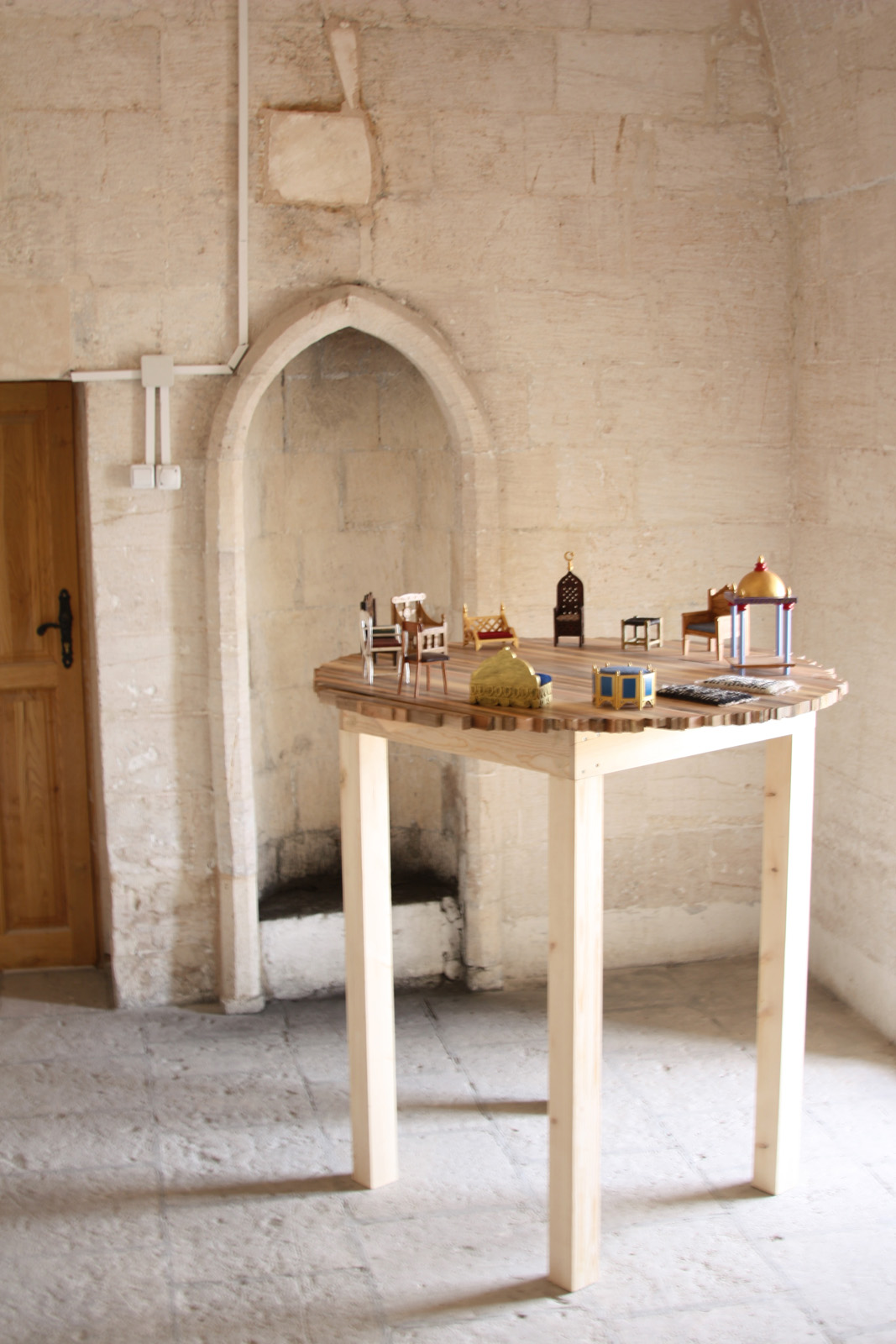
Yuvarlak Masada (At the Round Table) was commissioned for the inaugural Mardin Biennial in 2010 and installed within the historic Zinciriye Medresesi overlooking the old city of Mardin. The work emerged from my fascination with the extraordinary history of a place where successive civilisations, cultures and faiths have occupied the same landscape for thousands of years. Rather than creating a monument to a single moment in history, I wanted to create a space where those histories could meet.
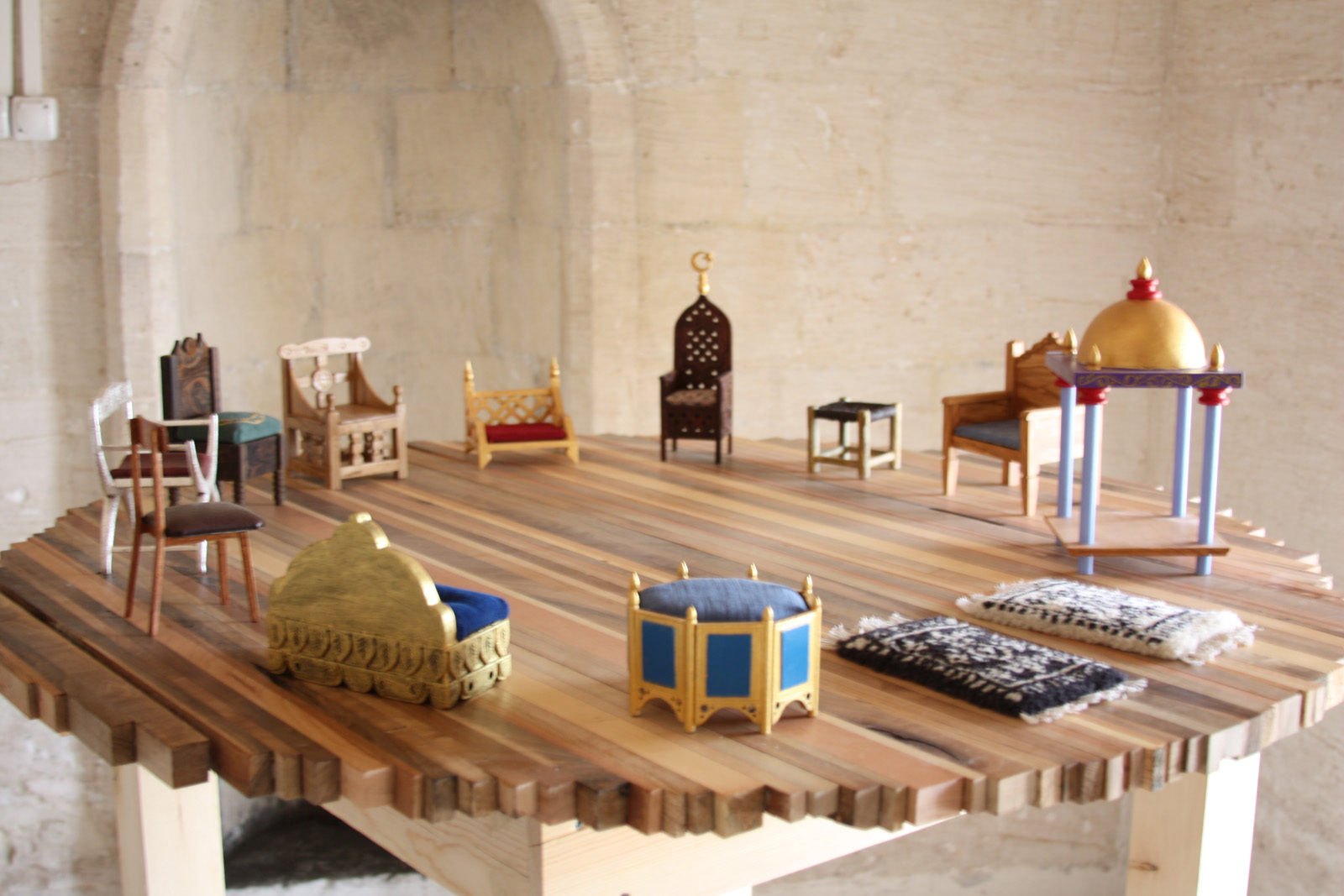
The installation consists of a circular table surrounded by thirteen chairs, each representing a civilisation or dynasty that has occupied or shaped the Mardin region, from the Romans to the modern Turkish Republic. The table has no head, no hierarchy and no privileged position. Every chair has an equal place within the circle, reflecting Mardin's long reputation as a city where different peoples, languages and religions have lived alongside one another.
Each chair was developed through research into the architecture, ornament, craftsmanship and visual language of its period. They are not archaeological reconstructions, but contemporary sculptures that attempt to capture the character of the cultures they represent. Individually they become portraits of civilisations; together they form a symbolic forum where history, memory and identity exist in dialogue rather than conflict.
During my residency I worked alongside a family of carpenters in a workshop in the centre of Mardin, constructing the table and plinth from locally sourced timber using traditional skills and materials. The process of making became an important part of the work itself. Conversations, shared meals and the generosity of the craftsmen shaped the installation as much as the historical research that informed it.
During the residency I also hand-wove the Akkoyunlu and Karakoyunlu rugs using traditional Turkish knotting techniques. Unlike the seated empires represented by chairs, these nomadic confederations were embodied through woven textiles, reflecting cultures whose identity was carried with them rather than anchored to a permanent seat of power.
Installed within Zinciriye Medresesi, the work overlooked the prayer hall where the daily call to prayer echoed through the building. Visitors encountered the installation accompanied by the sounds of contemporary worship within a space that had witnessed centuries of political, religious and cultural change. The work became a quiet reflection on coexistence; a reminder that the history of Mardin is not the story of a single civilisation, but of many communities whose lives have become woven together over time.
Looking back, Yuvarlak Masada marked an important turning point in my practice. Although it predates projects such as Brick & Stone, Iron & Bronze and my work with Sheffield Castle by many years, it was here that I first began using sculptural objects as vessels for the accumulated histories of a place. Rather than illustrating the past, I became interested in creating works that could embody successive cultures, memories and identities within a single form. In hindsight, the project marks the beginning of a body of work that continues to explore archaeology and the relationships between people, place and material culture.
Yuvarlak Masada
2010 · Abbaracadabra · The Mardin Biennial
The Chairs
Each chair was conceived as an individual sculpture representing one of the civilisations that has occupied or influenced the Mardin region. Together they form a symbolic round table where history is presented not as a sequence of conquest, but as a continuing conversation between cultures.
Roman
2010 · Mixed Media
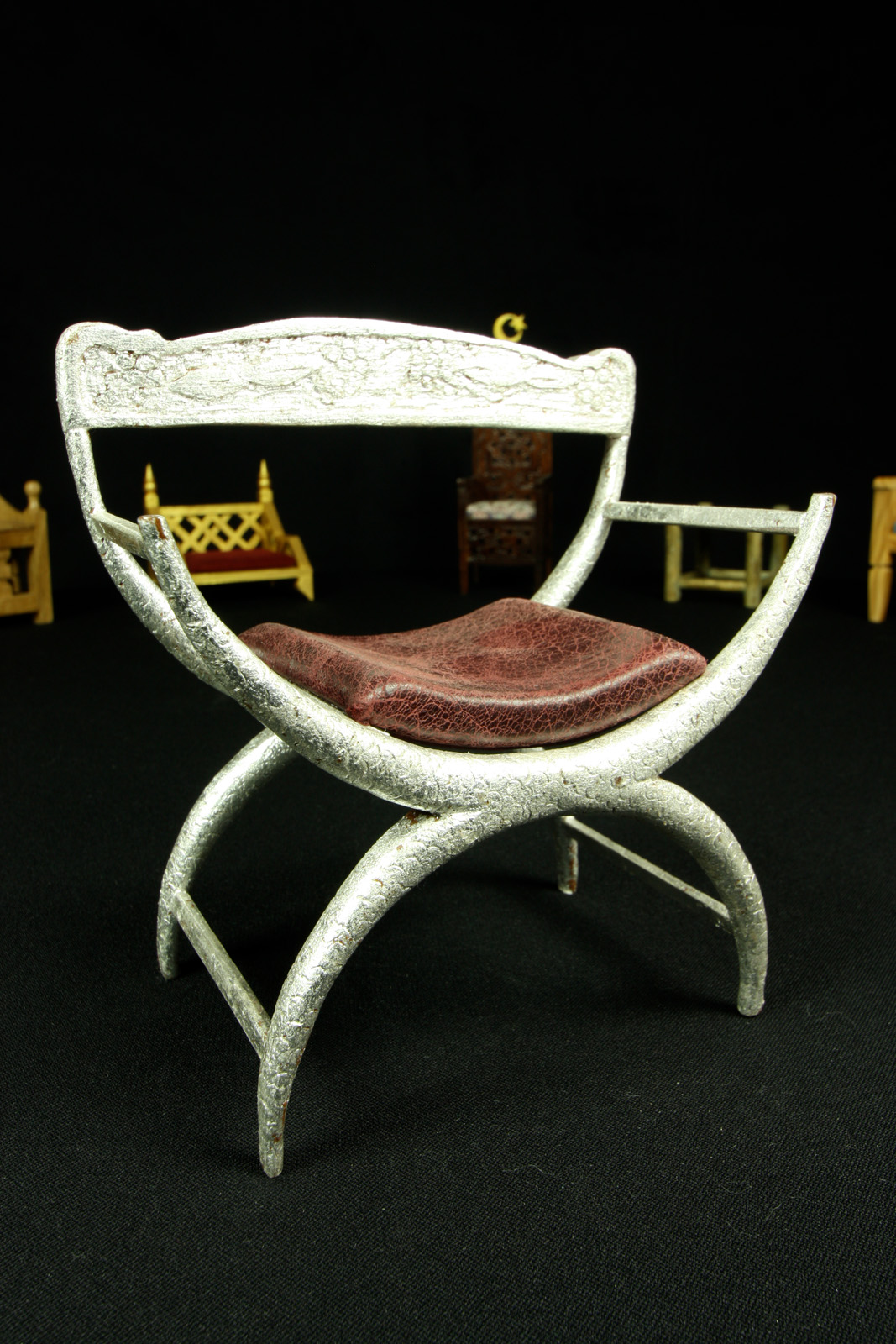
The Roman chair marks the beginning of the historical journey around the table. It represents the foundations upon which many later civilisations would build; a legacy of engineering, architecture and civic order whose influence continued long after Rome's political power had faded. The chair reflects the enduring presence of a civilisation that helped shape both the physical and cultural landscape of the region.
Sassanid
2010 · Mixed Media
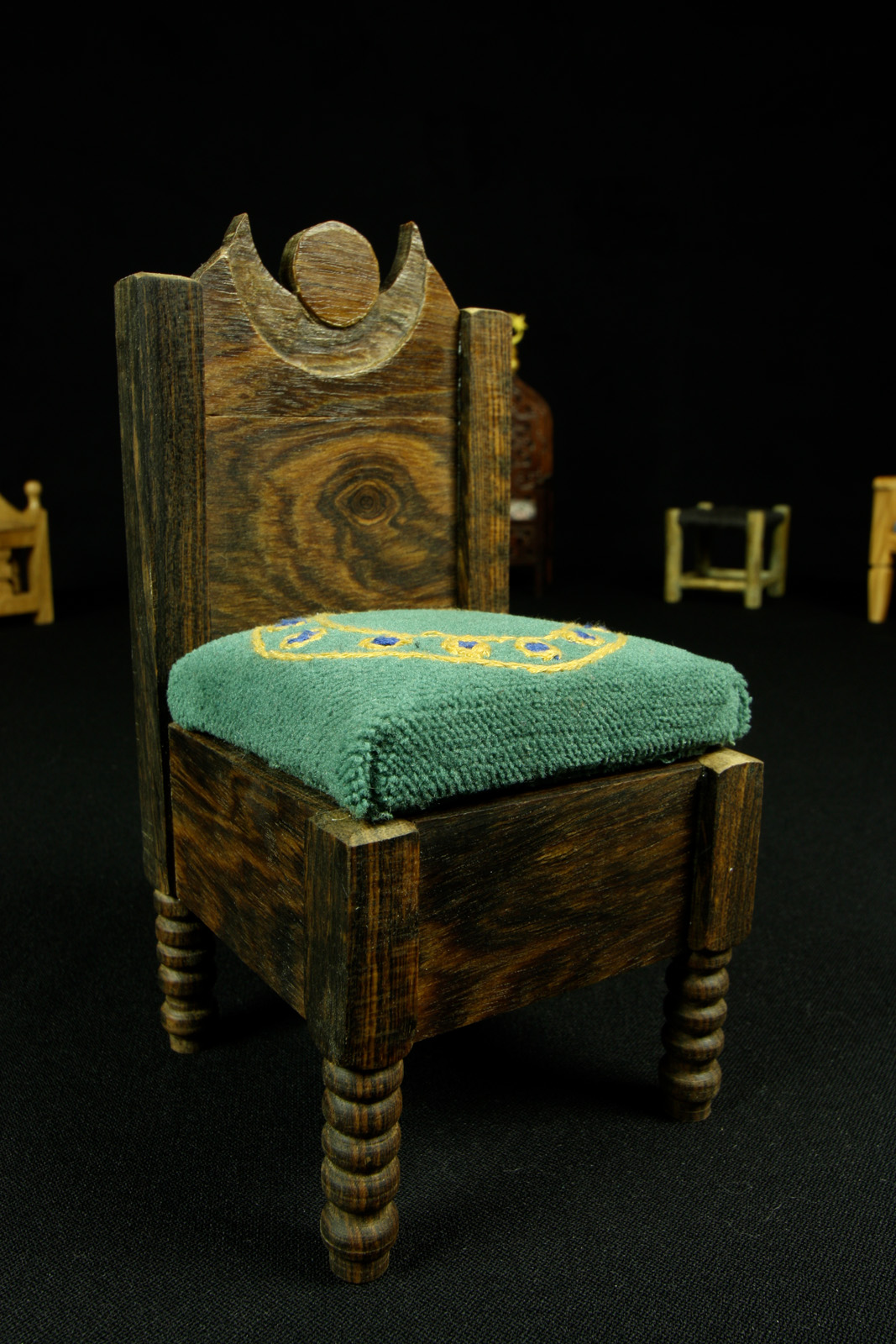
The Sassanid chair represents one of the great Persian empires whose influence extended across Upper Mesopotamia before the arrival of Islam. Renowned for its sophisticated craftsmanship, monumental architecture and artistic traditions, the Sassanid world helped shape the cultural landscape inherited by later civilisations. The chair reflects the refinement and enduring legacy of this remarkable dynasty.
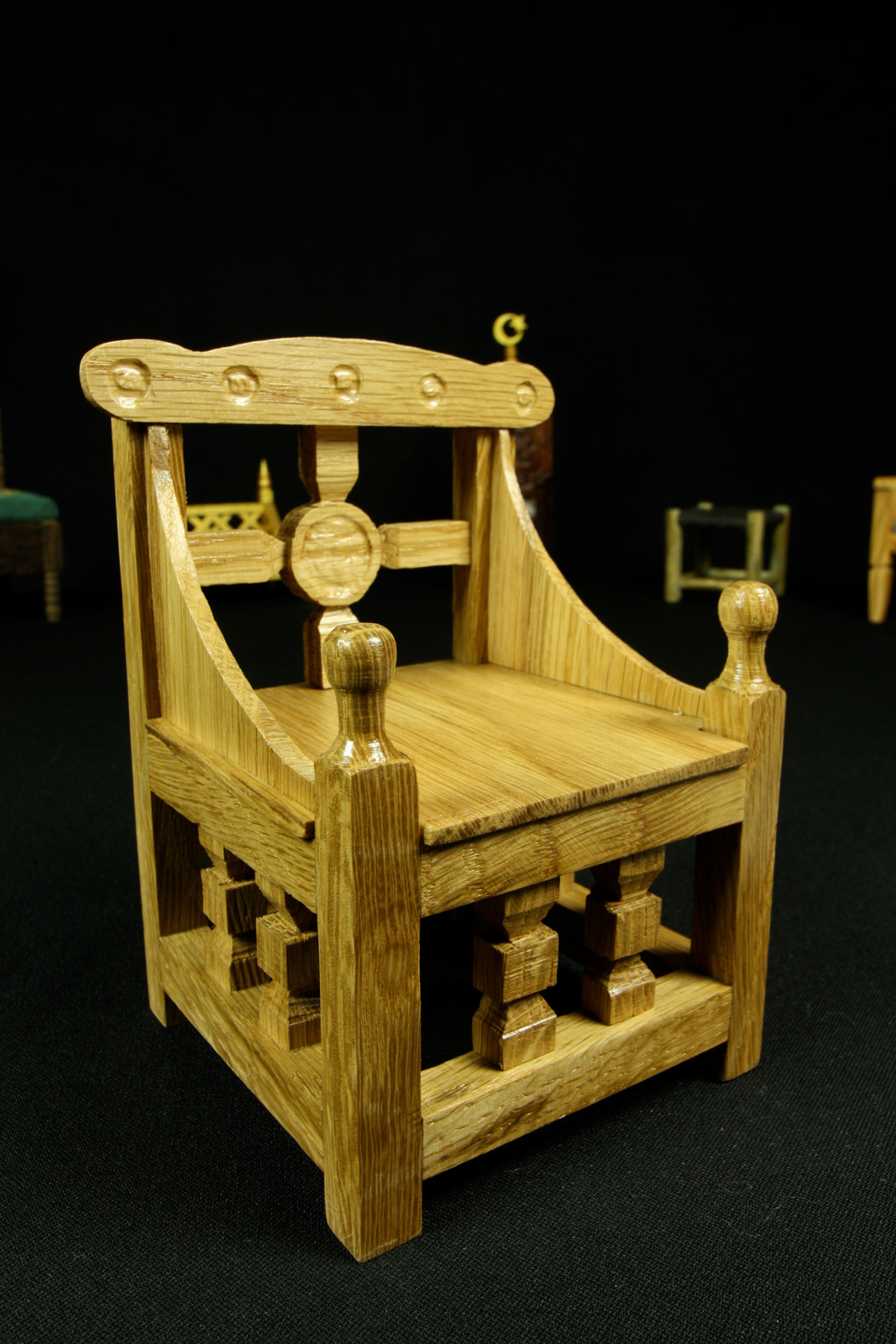
Byzantine
2010 · Mixed Media
The Byzantine chair represents a civilisation in which imperial authority and Christian belief became closely intertwined. For centuries Byzantine culture influenced the architecture, art and religious life of the region, leaving a legacy that can still be traced in the monuments and traditions of Upper Mesopotamia. The chair reflects both spiritual devotion and imperial ambition.
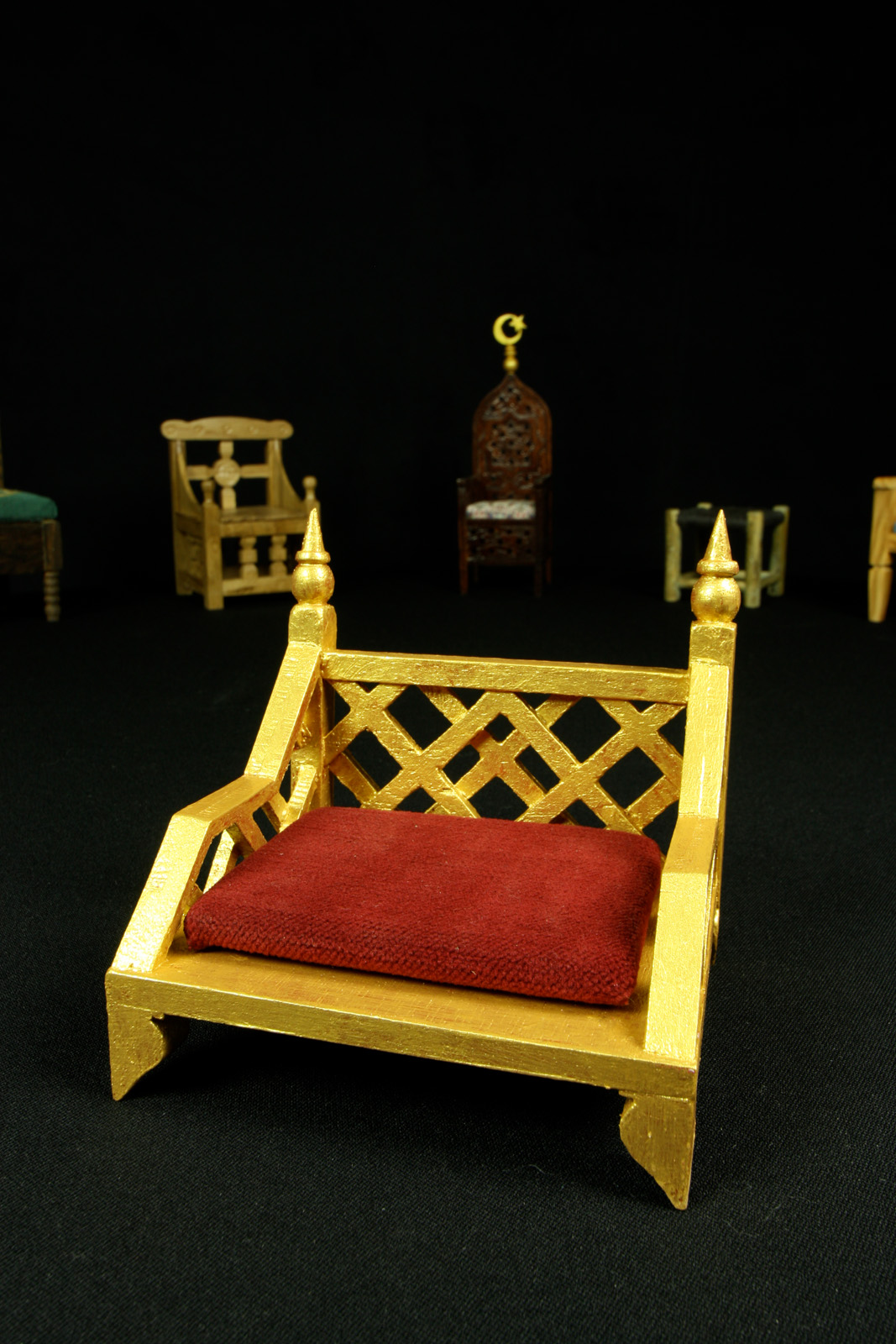
Abbasid
2010 · Mixed Media
The Abbasid chair represents a period in which scholarship, science, literature and artistic achievement flourished across the Islamic world. Although political power shifted over time, the intellectual and cultural influence of the Abbasid Caliphate extended far beyond its capital, shaping education, architecture and daily life throughout the region. The chair reflects an age of learning, innovation and cultural exchange.
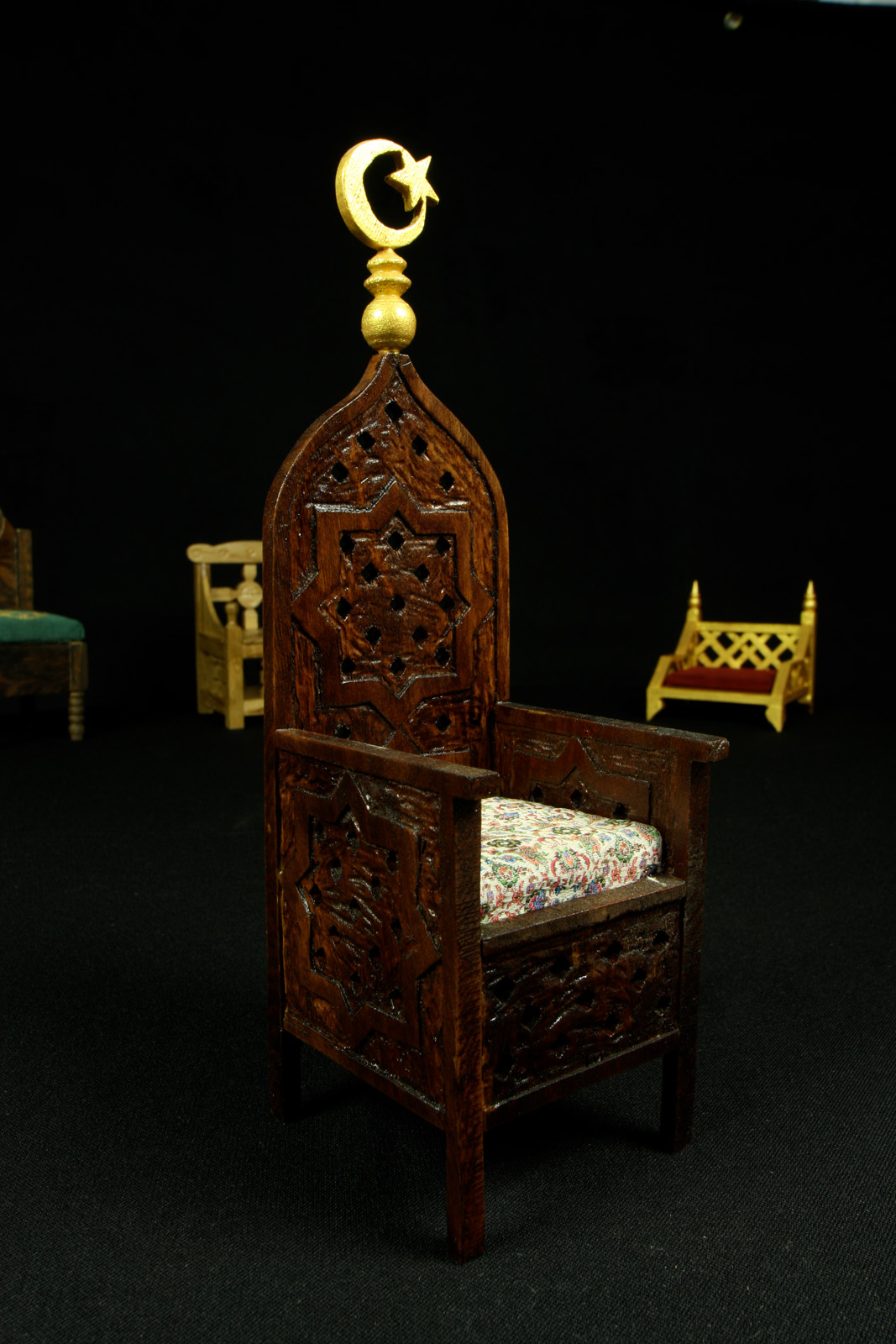
Hamdanid
2010 · Mixed Media
The Hamdanid chair represents a dynasty that helped shape the political and cultural identity of Upper Mesopotamia during the tenth century. Positioned between larger empires, the Hamdanids played an important role in the development of the region, fostering centres of learning, trade and artistic patronage. The chair reflects a civilisation that balanced military strength with a rich cultural and intellectual tradition.
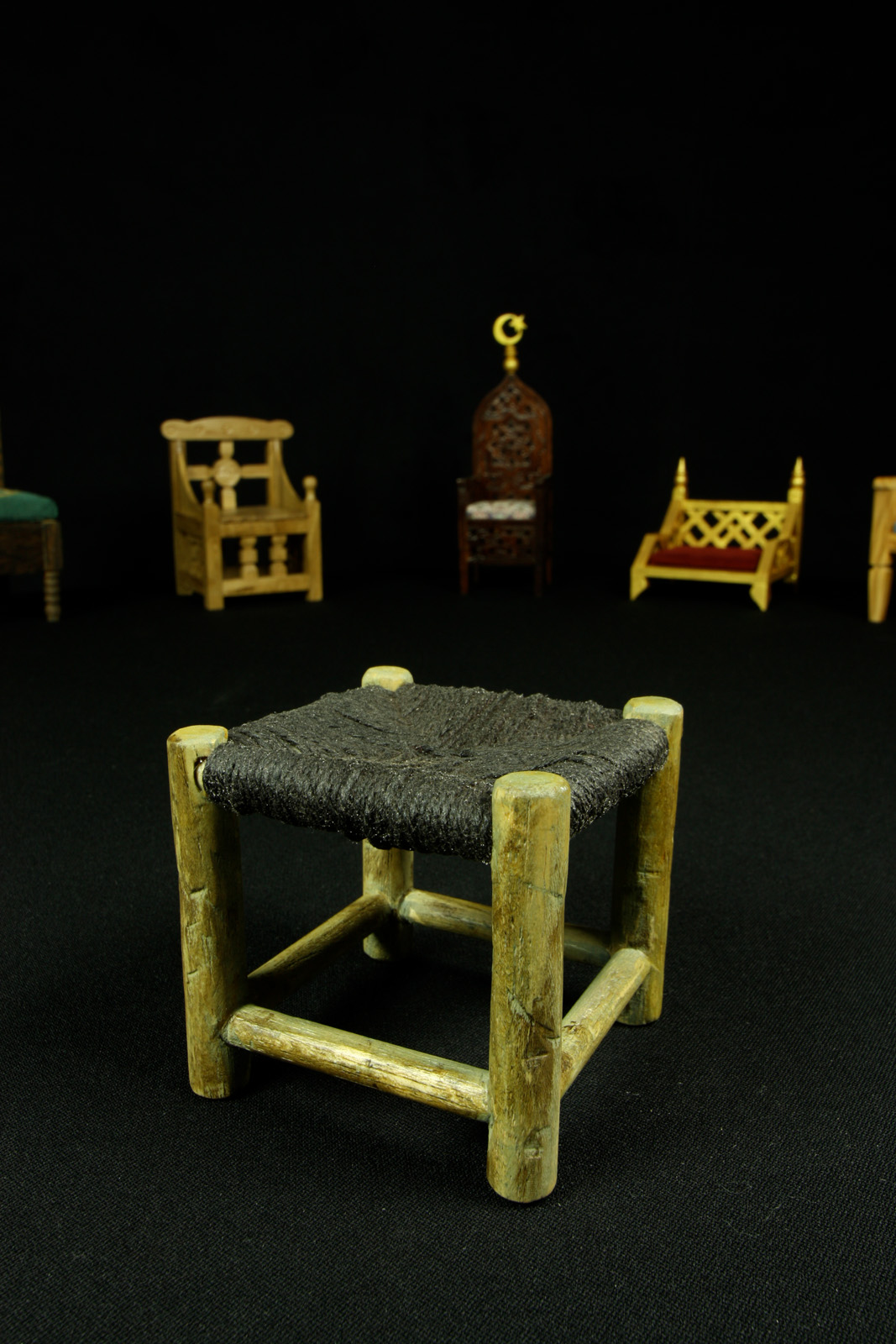
Mervani
2010 · Mixed Media
The Mervani chair represents the Kurdish Mervanid dynasty, whose rule brought a period of relative stability and prosperity to the Mardin region during the eleventh century. Renowned for encouraging trade, scholarship and architectural development, the Mervanids helped establish Mardin as an important cultural centre. The chair reflects a civilisation whose legacy can still be sensed in the city's enduring character and rich cultural heritage.
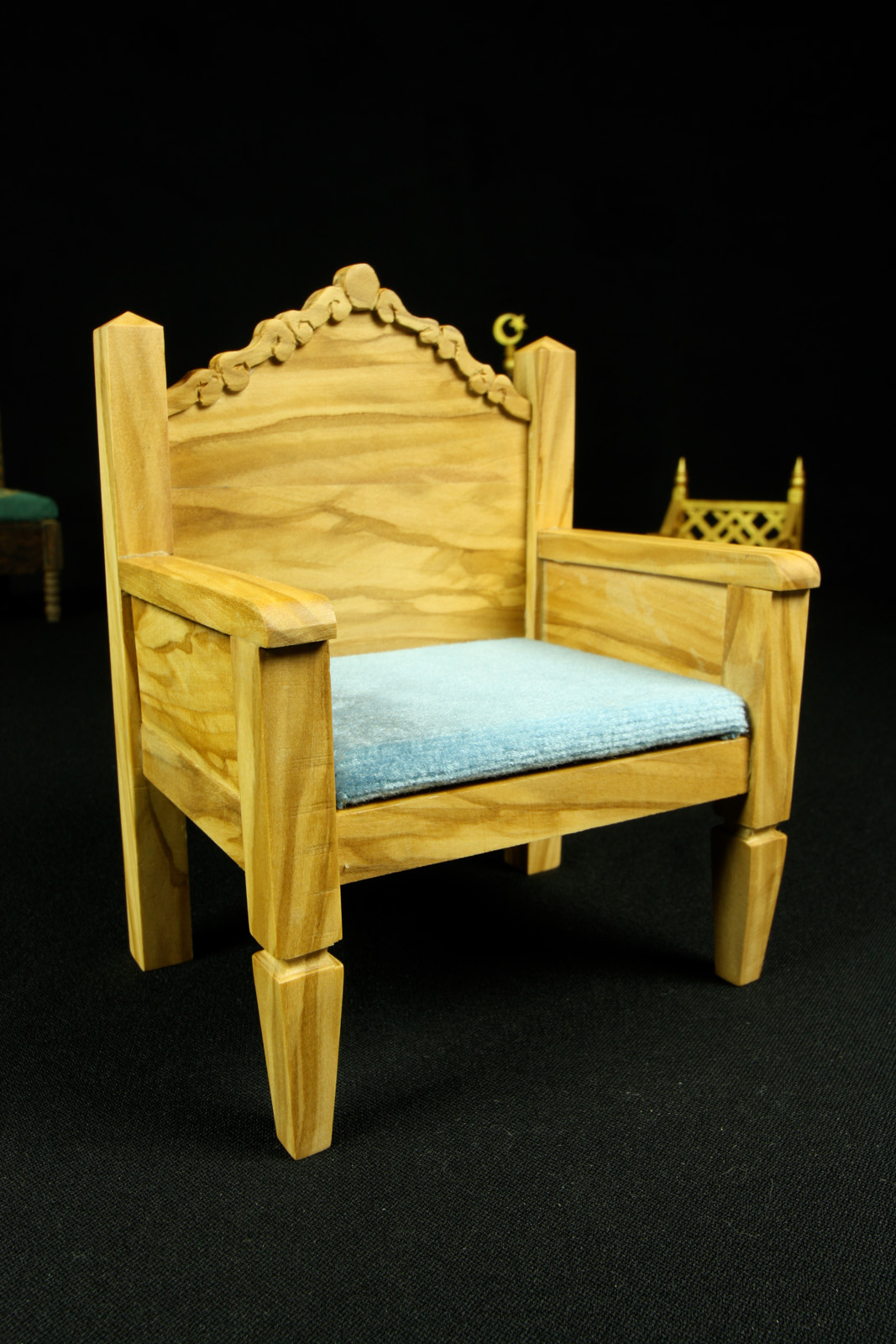
Seljuk
2010 · Mixed Media
The Seljuk chair represents the arrival of a dynasty that transformed much of Anatolia and Upper Mesopotamia through its achievements in architecture, engineering and learning. The Seljuks established caravan routes, madrasas and monumental buildings that strengthened both trade and cultural exchange across the region. The chair reflects a civilisation whose influence continues to define the architectural character and cultural identity of Mardin.
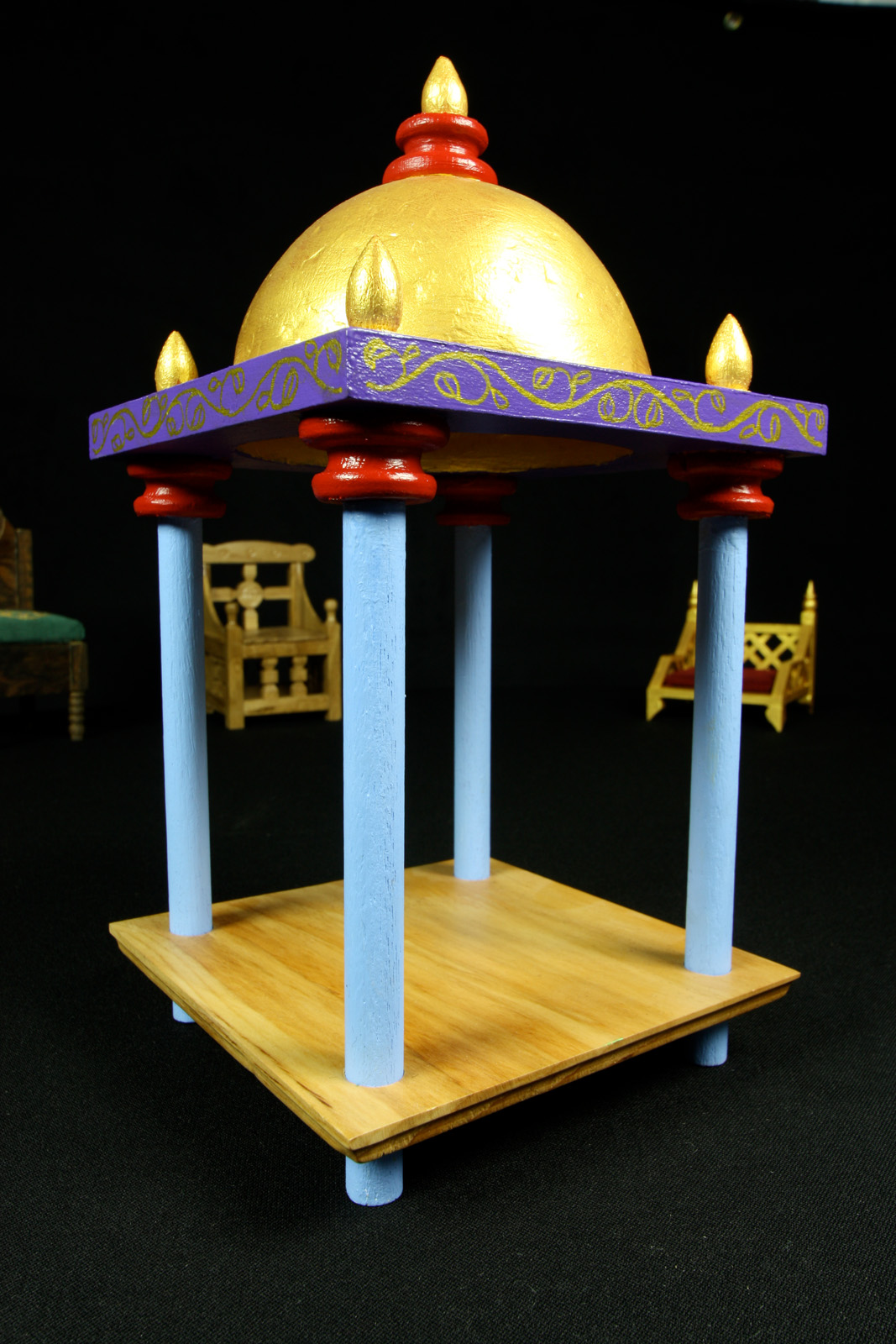
Artuk
2010 · Mixed Media
The Artuk chair represents the dynasty most closely associated with the medieval flourishing of Mardin. Under Artuklu rule, the city became an important centre of architecture, science and craftsmanship, renowned for its distinctive stone buildings, engineering and cultural achievements. The chair reflects a period in which Mardin developed the character and identity that continues to define the city today.
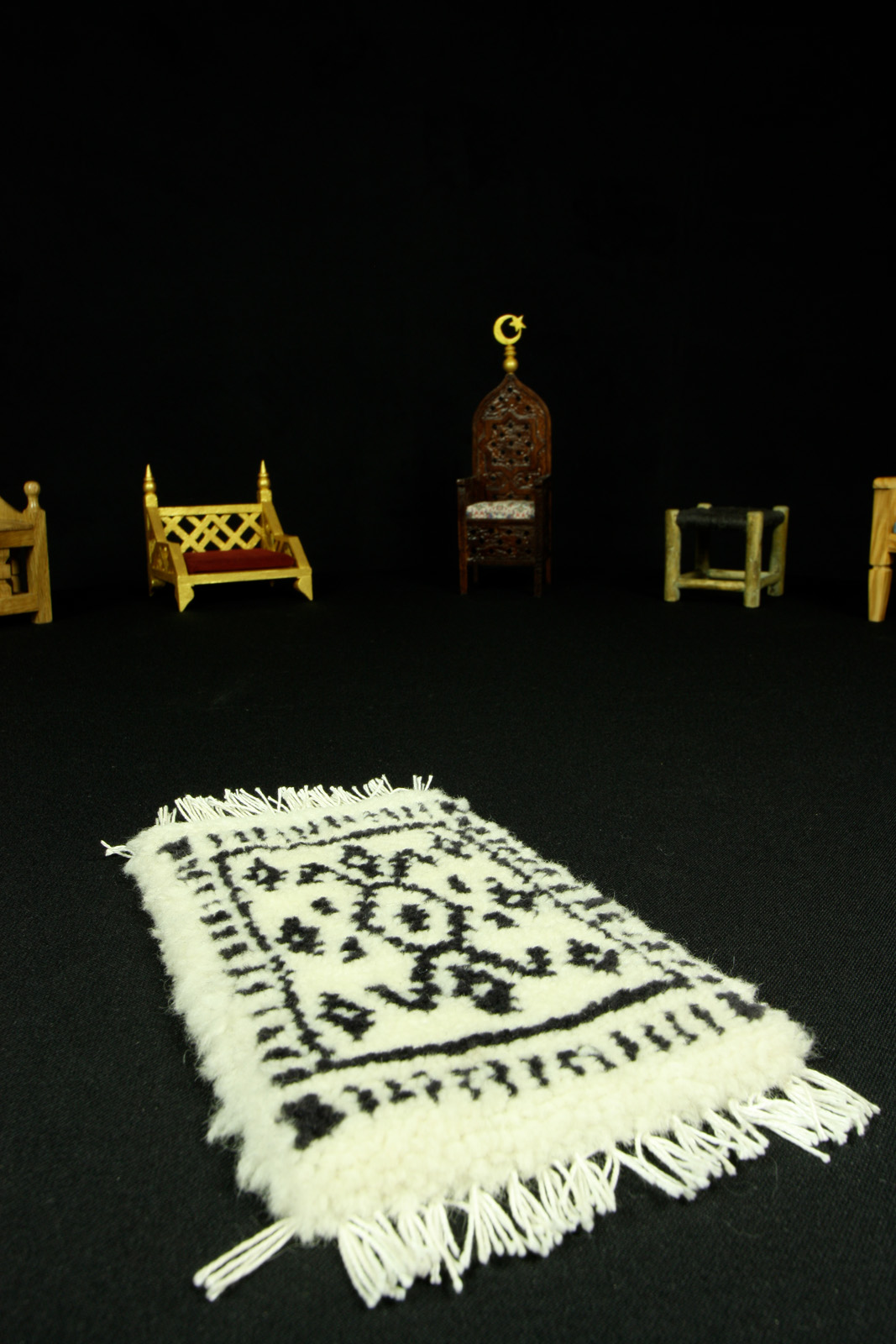
Akkoyunlu
2010 · Mixed Media
Although most of the civilisations are represented by chairs, the Akkoyunlu and Karakoyunlu are represented by hand-woven rugs. As nomadic Turkic confederations, their identity was rooted in movement rather than permanent architecture, and the rug became a more appropriate symbol than a throne or chair.
The Akkoyunlu rug represents the White Sheep Turkmen Confederation, whose rule brought renewed political influence and artistic patronage to the region during the fifteenth century. Their legacy can still be seen in the architecture and cultural life of eastern Anatolia and Upper Mesopotamia. The rug reflects a civilisation that combined military strength with a rich tradition of craftsmanship, scholarship and architectural achievement.
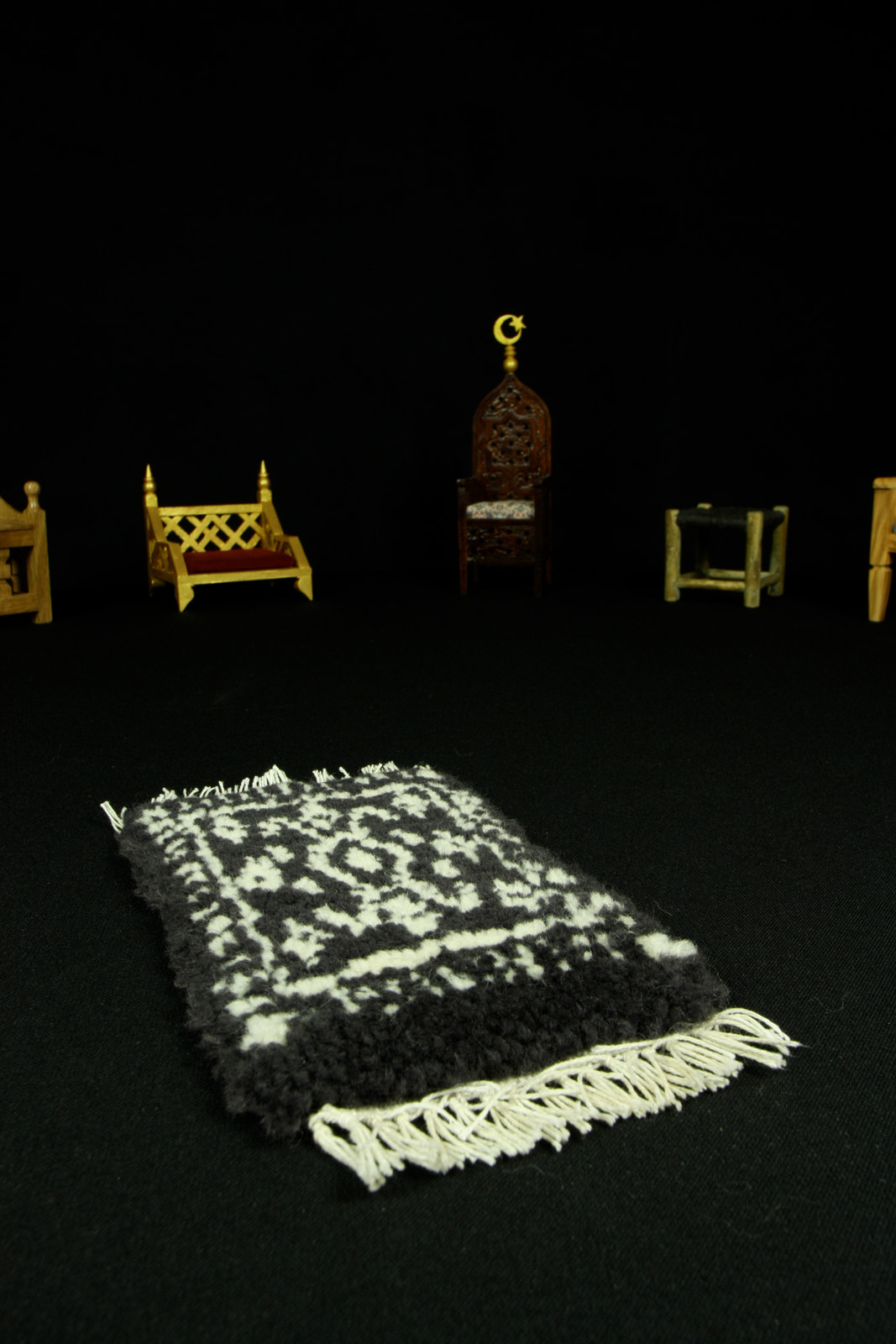
Karakoyunlu
2010 · Mixed Media
The Karakoyunlu rug represents the Black Sheep Turkmen Confederation, whose influence extended across eastern Anatolia, Upper Mesopotamia and Persia during the fourteenth and fifteenth centuries. Renowned for their patronage of architecture, craftsmanship and the arts, the Karakoyunlu contributed to the rich cultural traditions that shaped the region. The rug reflects a civilisation whose legacy remains woven into the history and identity of Mardin.
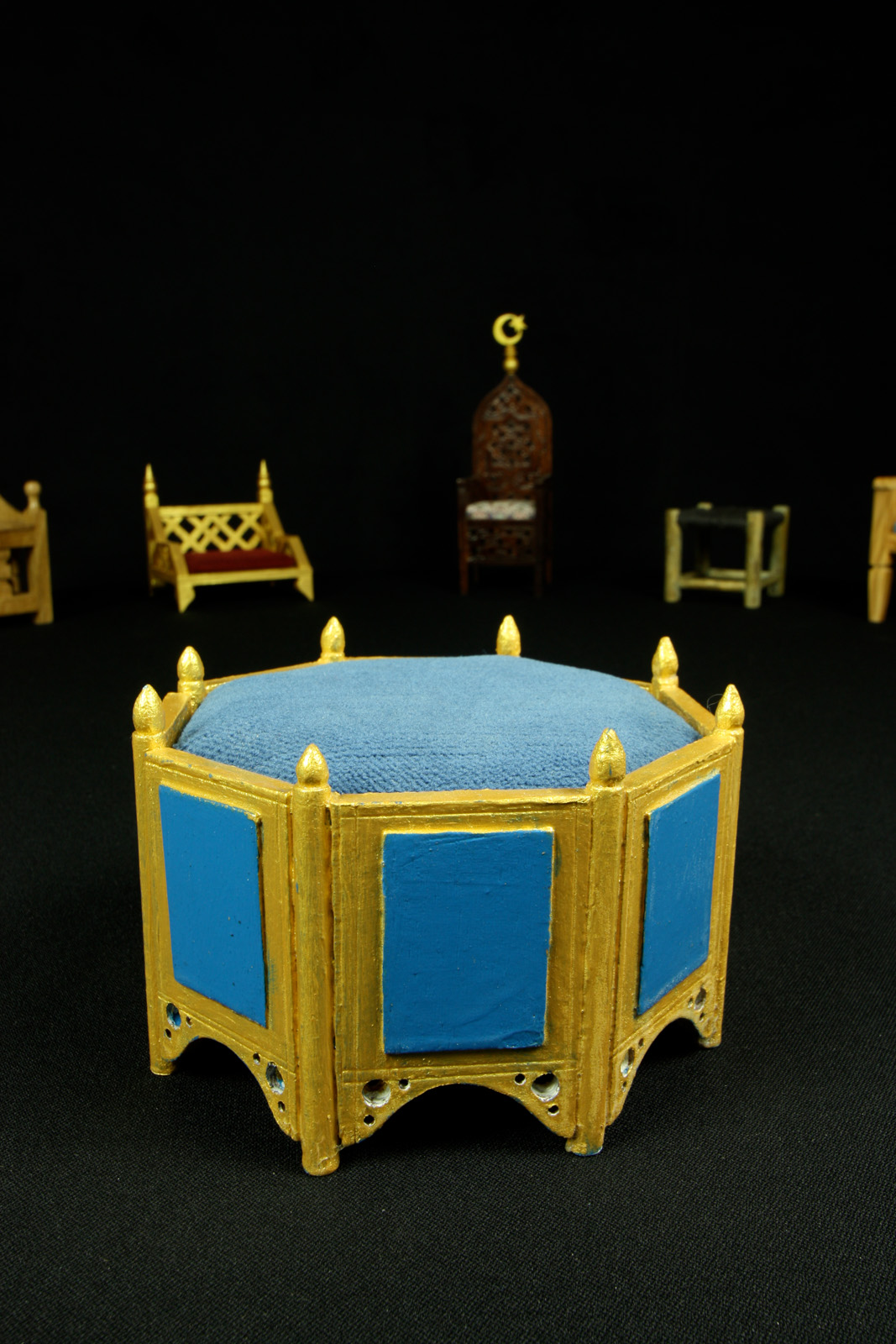
Safavid
2010 · Mixed Media
The Safavid chair represents the Persian dynasty whose influence reshaped the political, cultural and religious landscape of the region during the sixteenth and seventeenth centuries. Celebrated for its achievements in architecture, craftsmanship and the decorative arts, the Safavids left a lasting legacy that extended far beyond the borders of their empire. The chair reflects a civilisation whose artistic vision and cultural ambition continue to resonate throughout the Middle East.
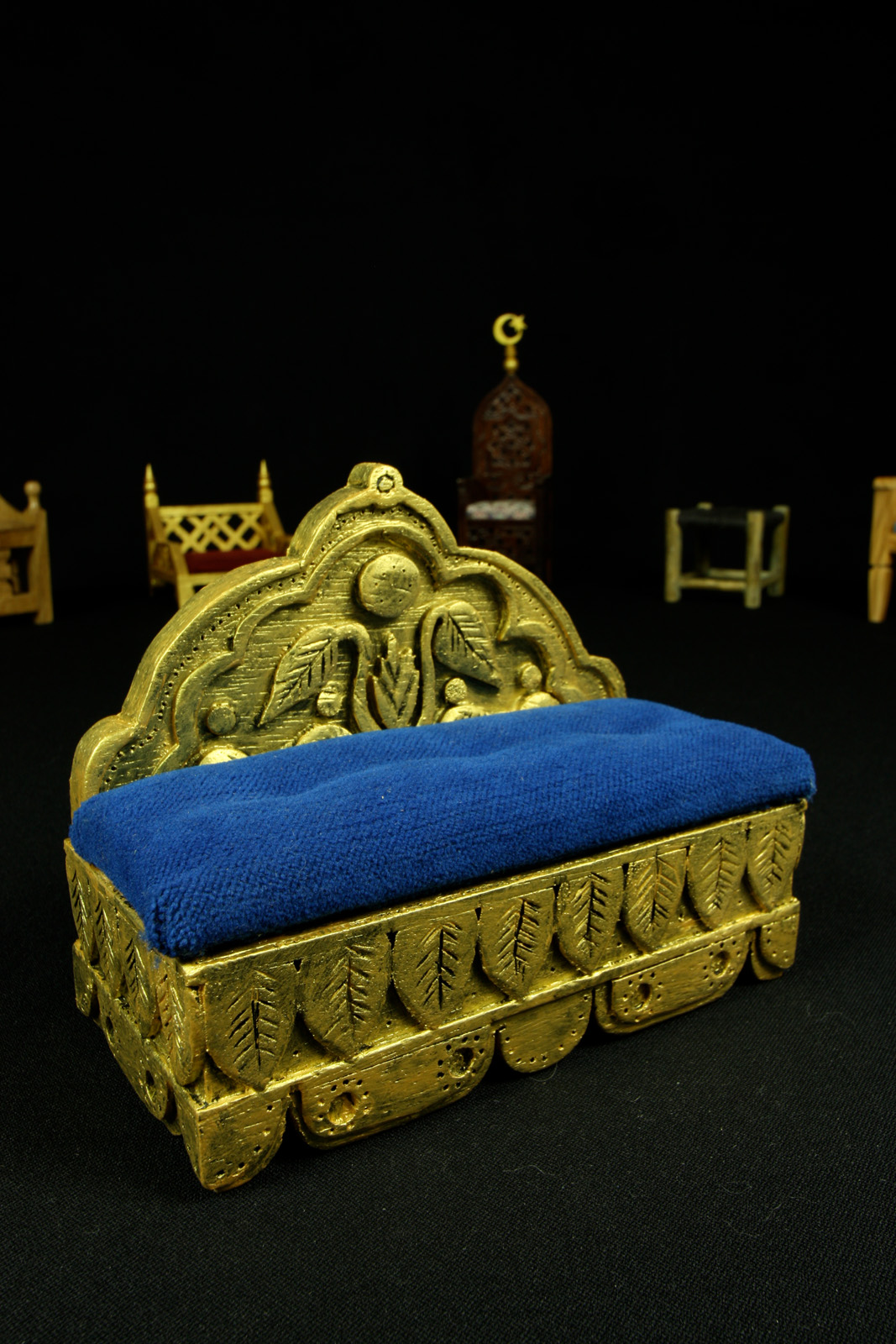
Ottoman
2010 · Mixed Media
The Ottoman chair represents the empire under which Mardin remained for almost four centuries. During this period the city continued to flourish as a centre of trade, craftsmanship and religious diversity, where Muslim, Christian and Jewish communities lived alongside one another. The chair reflects a civilisation whose legacy remains embedded in the architecture, culture and everyday life of Mardin.
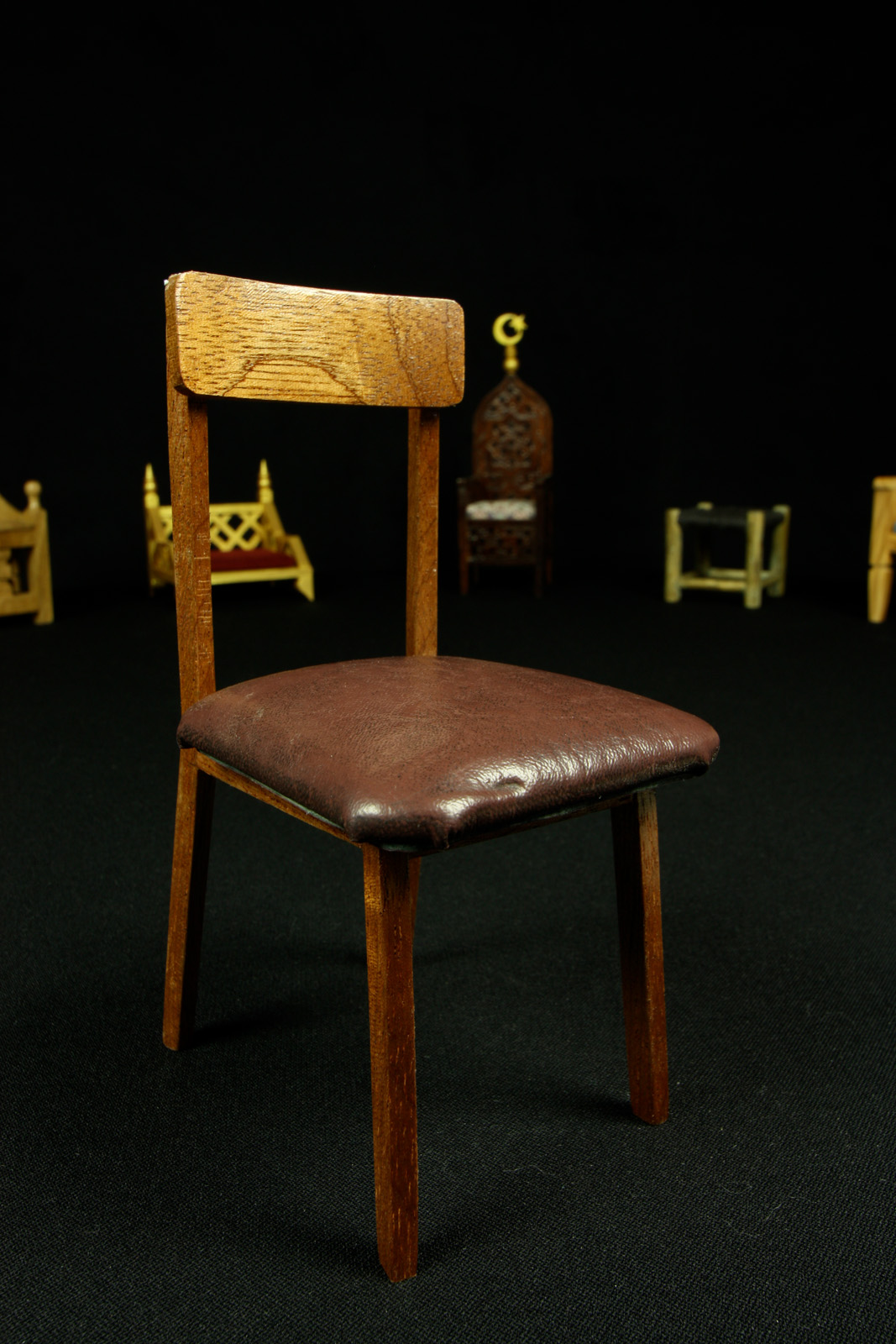
Republic
2010 · Mixed Media
The Republic chair represents the modern Turkish Republic and completes the historical journey around the table. Rather than marking the end of history, it acknowledges that Mardin continues to evolve as new generations contribute to its rich cultural identity. The chair reflects the continuing dialogue between past and present, reminding us that every civilisation inherits the legacy of those that came before while adding its own chapter to the story.
Together the thirteen works form a symbolic conversation across the many centuries that have shaped Mardin. Rather than celebrating conquest or empire, Yuvarlak Masada asks us to imagine every civilisation sitting at the same table, each contributing to the identity of Mardin as we know it today.
The Mardin Biennial
Yuvarlak Masada was commissioned for the inaugural Mardin Biennial, held between 4 June and 5 July 2010. Conceived as a platform for dialogue between contemporary art and the extraordinary historical fabric of Mardin, the Biennial transformed the city's historic buildings and public spaces into exhibition venues, bringing together artists from Turkey and abroad in one of the oldest continuously inhabited cities in Upper Mesopotamia.
The Biennial's title, AbbaraCadabra, drew on the abbara—the vaulted stone passages that weave beneath the streets of Mardin, connecting houses, courtyards and neighbourhoods. These hidden routes became a metaphor for movement between cultures, histories and communities, reflecting the Biennial's ambition to reveal unseen connections within the city. The project encouraged artists to respond directly to Mardin's layered history, architecture and living cultural traditions.
For readers interested in the broader context of the exhibition, the original Biennial catalogue, including the curatorial essays and participating artists, is still available online.